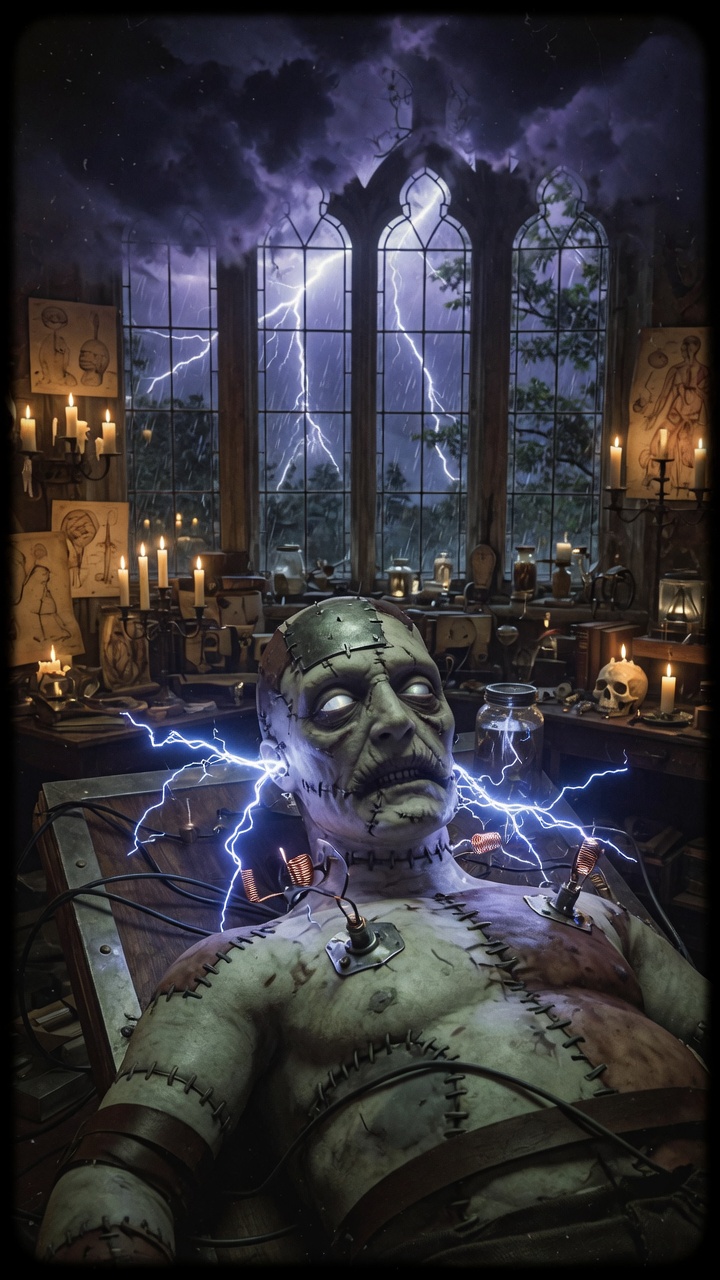
Frankenstein
Mary Shelley · 1818
He created life. Then he had to answer to it.
Eighteen-year-old Mary Shelley basically invented science fiction on a dare. A creator, his abandoned creation, and the question of who's the real monster.
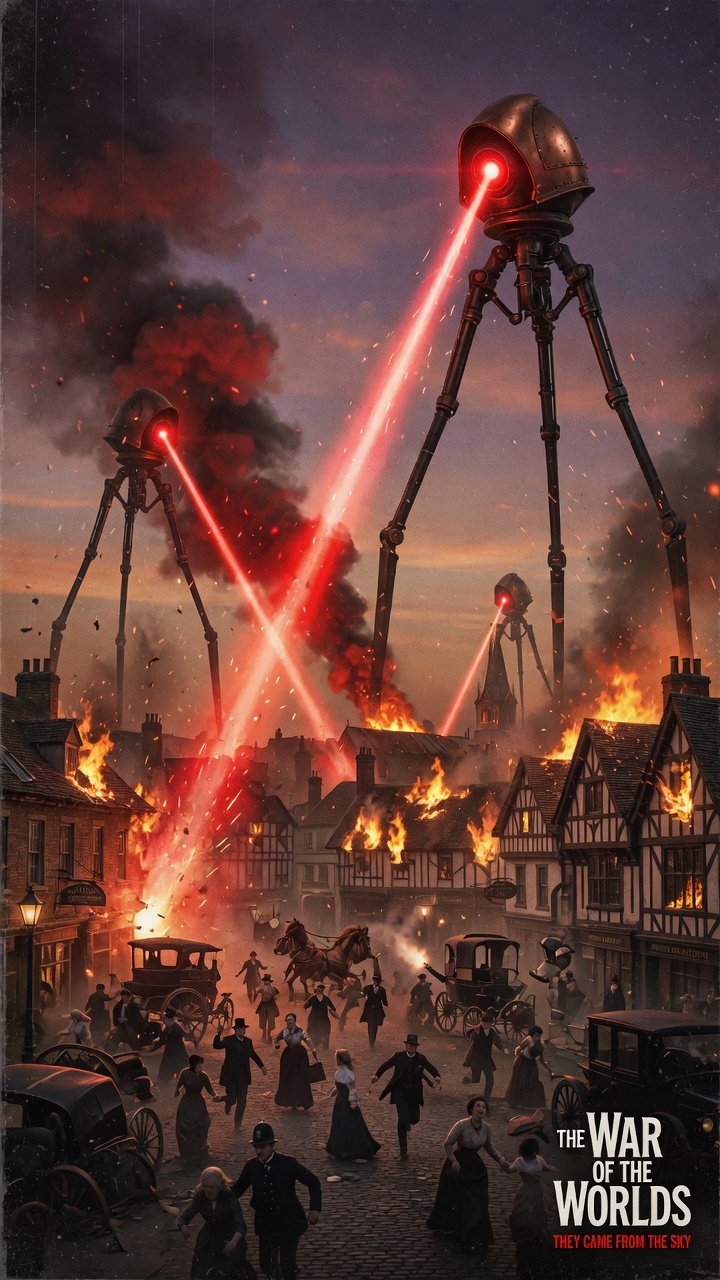
The War of the Worlds
H. G. Wells · 1898
Mankind ruled the Earth. The Martians had other plans.
The original alien invasion. Towering war machines, a panicking countryside, and a humanity completely outgunned — and it was written in 1898.
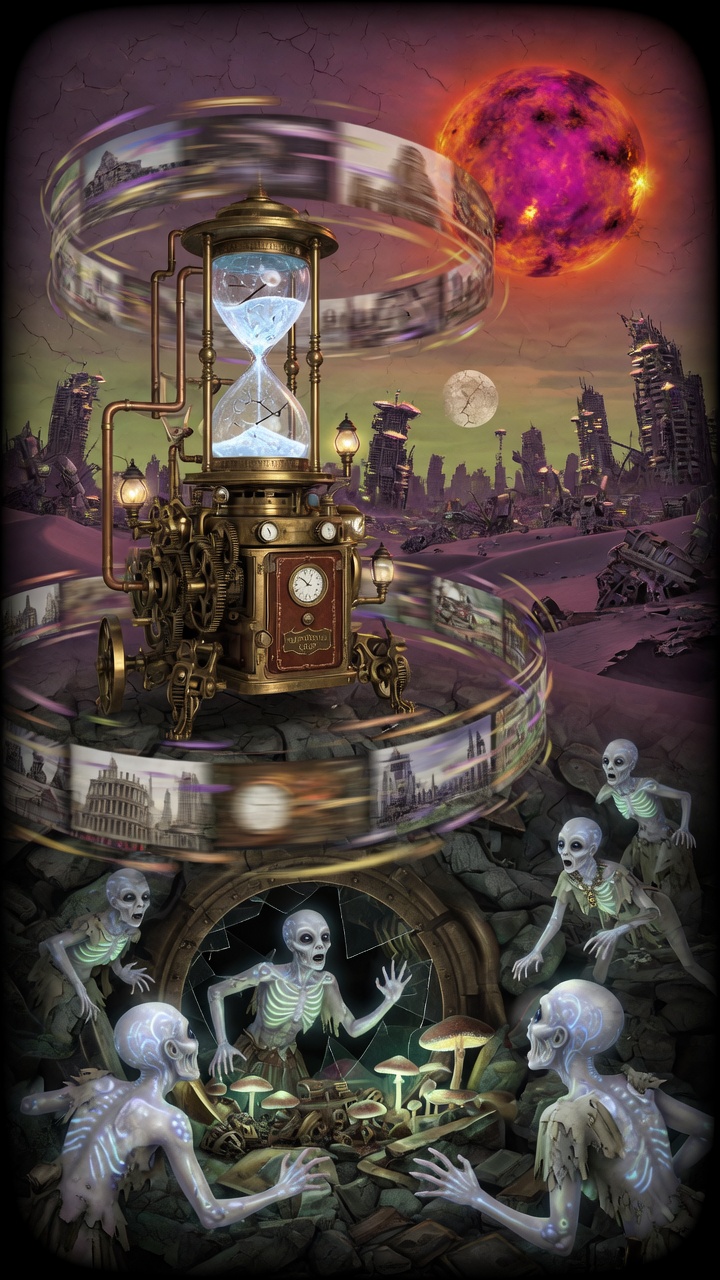
The Time Machine
H. G. Wells · 1895
He traveled to the year 802,701. Humanity was waiting. So was something else.
The book that invented time travel. A Victorian inventor leaps eons into the future and finds a paradise hiding a nightmare just beneath the surface.
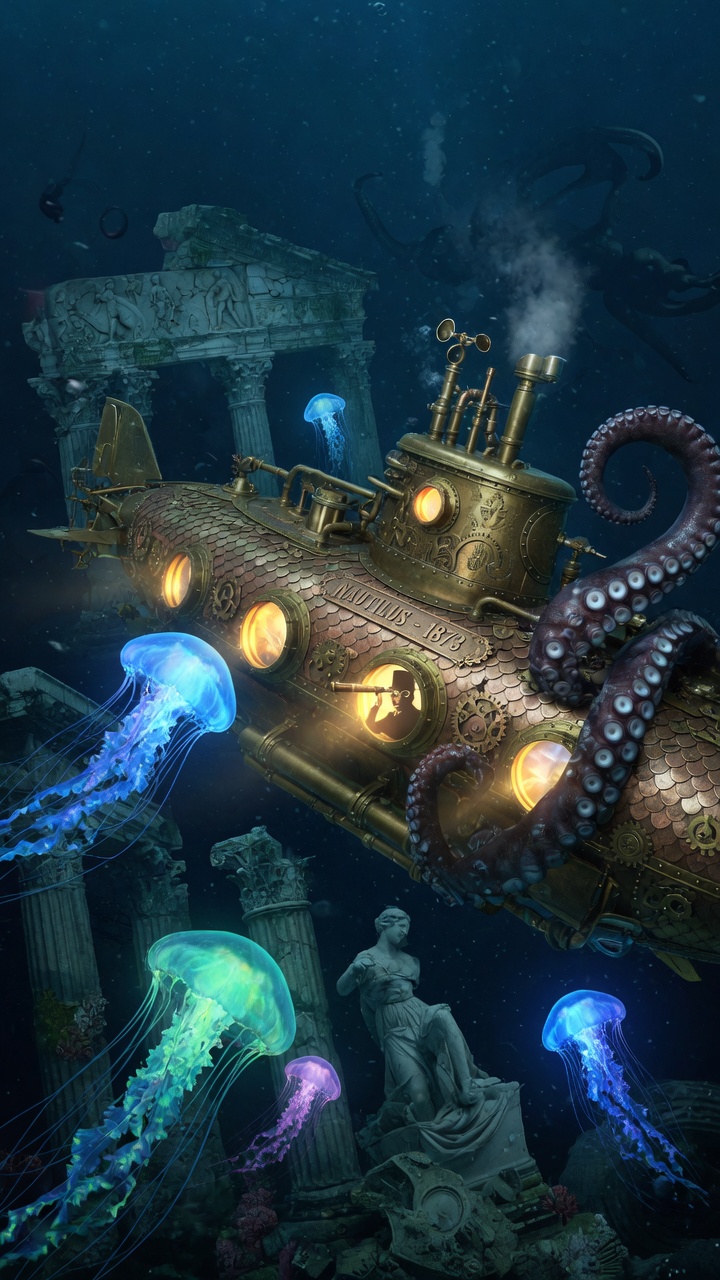
Twenty Thousand Leagues Under the Sea
Jules Verne · 1870
Beneath the waves, one captain rules a world no one knew existed.
A mysterious genius, a submarine generations ahead of its time, and a giant squid in the crushing deep. Verne's blueprint for every undersea adventure since.
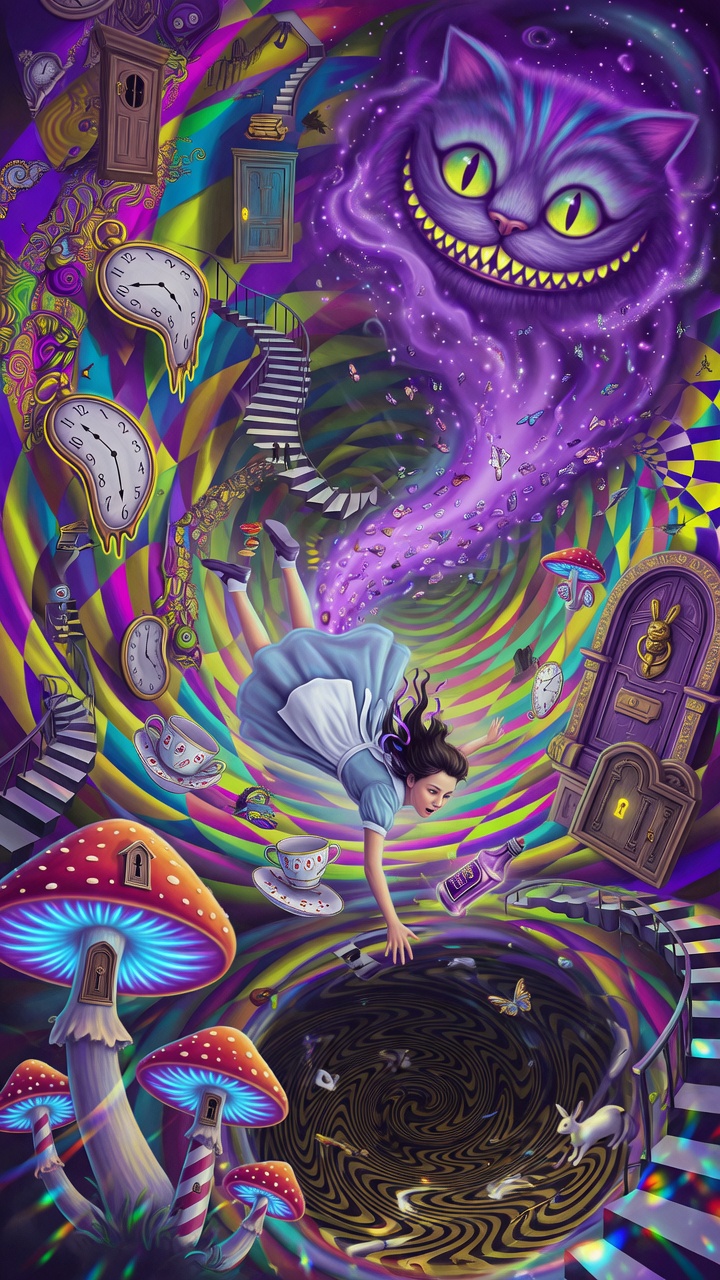
Alice's Adventures in Wonderland
Lewis Carroll · 1865
Down the rabbit hole, nothing makes sense — and everything wants to play.
A girl falls into a world of grinning cats, mad tea parties, and a queen who screams for heads. The trippiest book ever aimed at children.
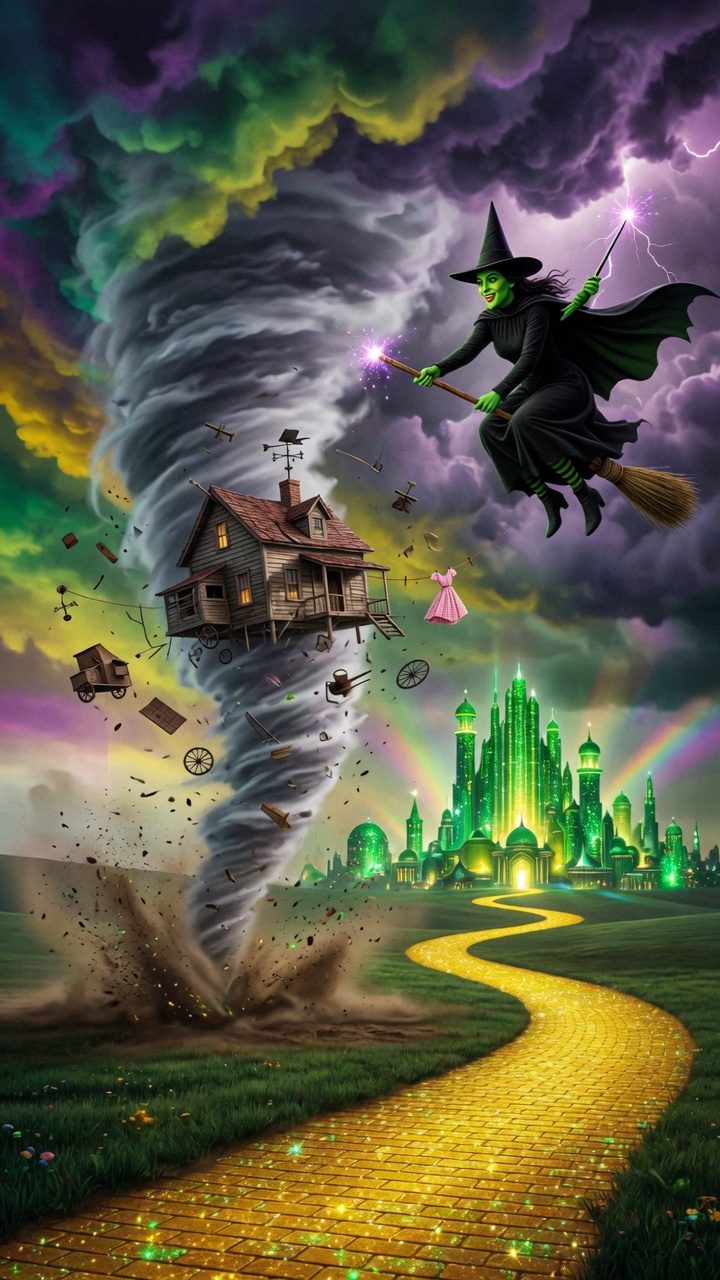
The Wonderful Wizard of Oz
L. Frank Baum · 1900
A tornado dropped her in a strange land. The only way home runs through a wizard who isn't what he seems.
Before the movie, there was the book: a cyclone, a yellow brick road, a wicked witch, and a humbug behind the curtain. Pure American fairy tale.
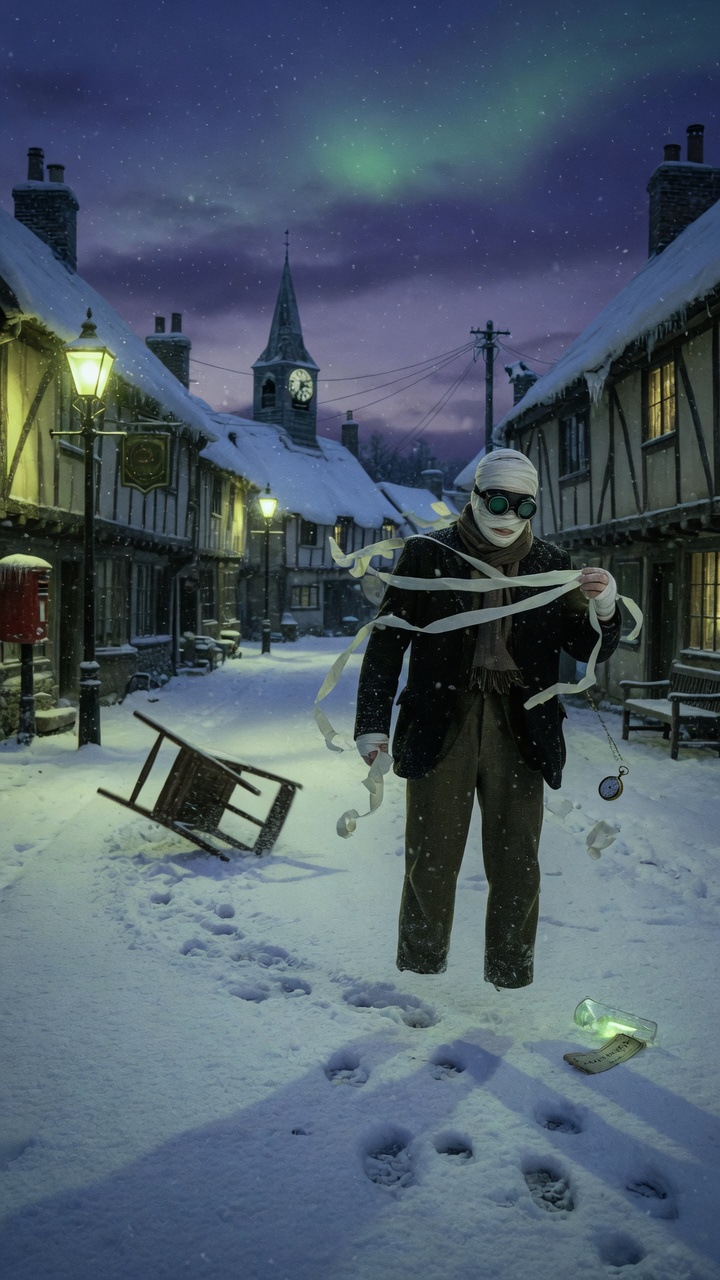
The Invisible Man
H. G. Wells · 1897
He found the secret of invisibility. It cost him his mind.
A scientist erases himself from sight — then discovers that power without a face is a fast road to madness. Tense, eerie, and decades ahead of its time.
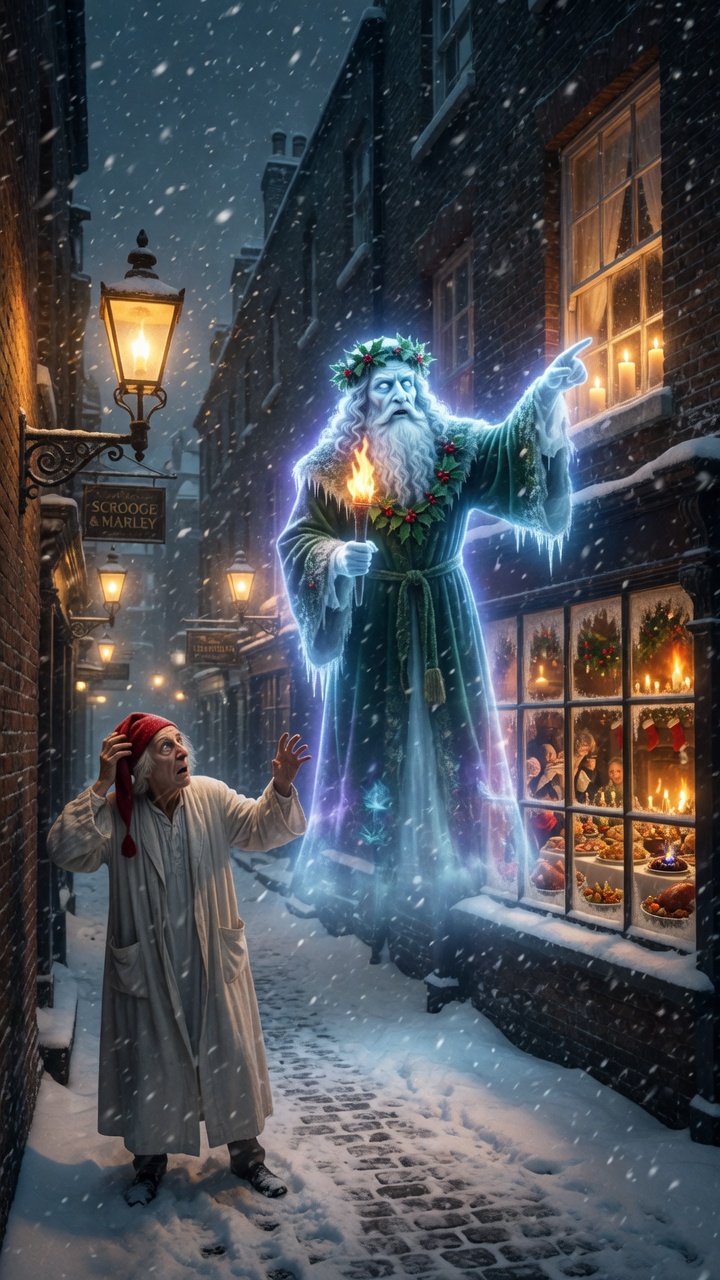
A Christmas Carol
Charles Dickens · 1843
One cold night. Three ghosts. One last chance to change.
The redemption story that invented modern Christmas. A miser, three spirits, and a single night that thaws a frozen heart. Gets you every single time.
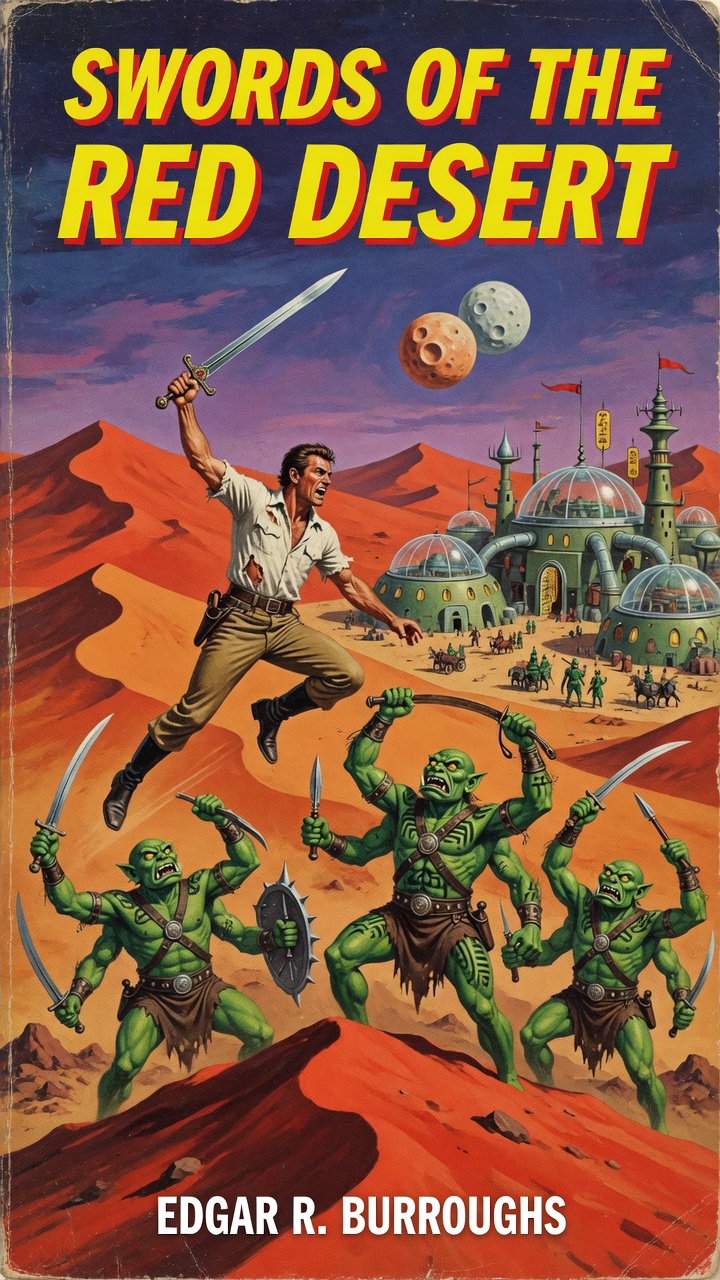
A Princess of Mars
Edgar Rice Burroughs · 1912
A soldier wakes on Mars — half the gravity, twice the danger.
The pulpy granddad of every space adventure (yes, including the ones with laser swords). Sword fights, four-armed warriors, and a red-planet princess.
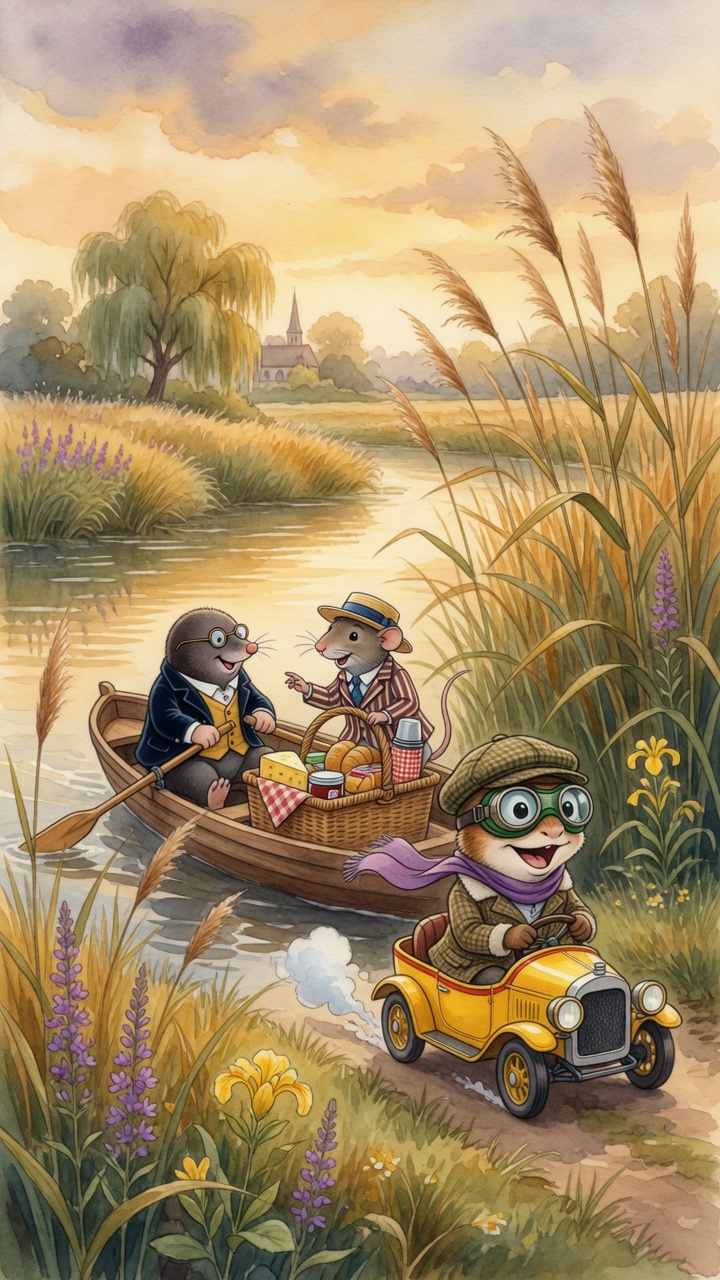
The Wind in the Willows
Kenneth Grahame · 1908
Messing about in boats with the best friends in fiction.
The coziest book ever written — riverbank picnics, a reckless toad with a shiny new motorcar, and friendship so warm it feels like a blanket. Pure comfort.
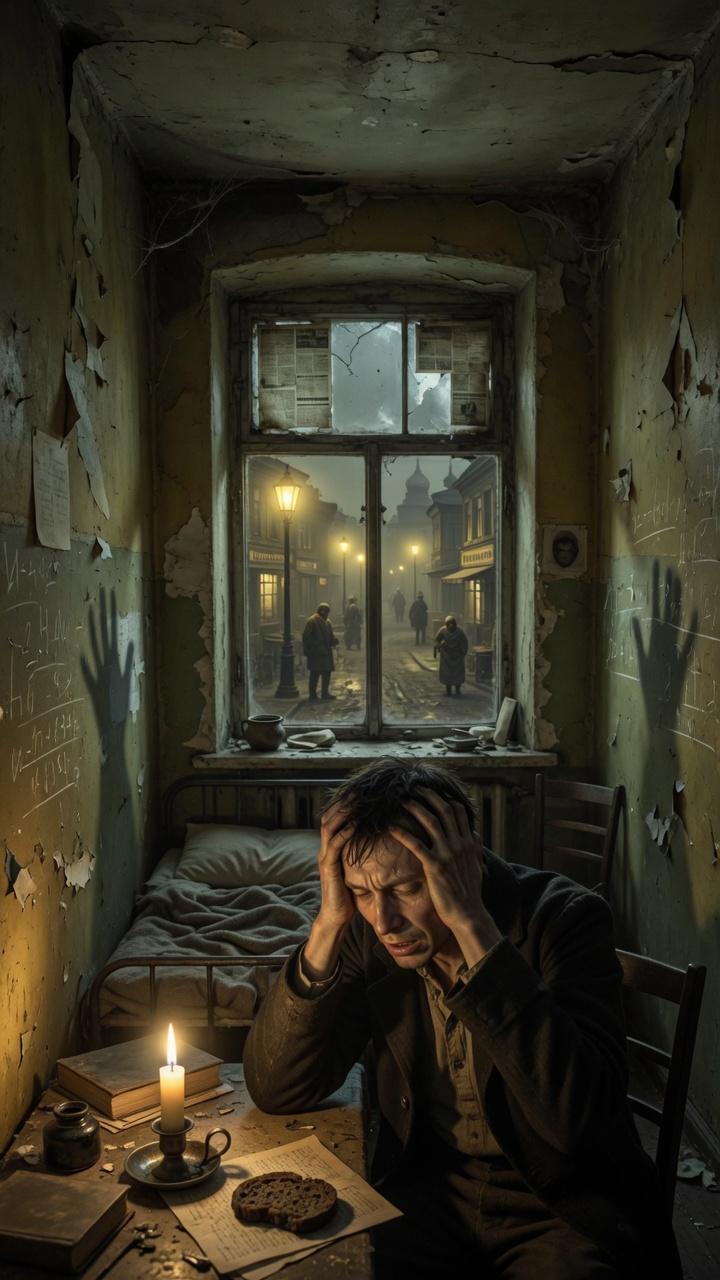
Crime and Punishment
Fyodor Dostoevsky · 1866
He thought he was above the law. His conscience disagreed.
A feverish descent into a killer's mind — guilt, dread, and the long road to redemption in the slums of St. Petersburg. Tense as any thriller, deep as it gets.
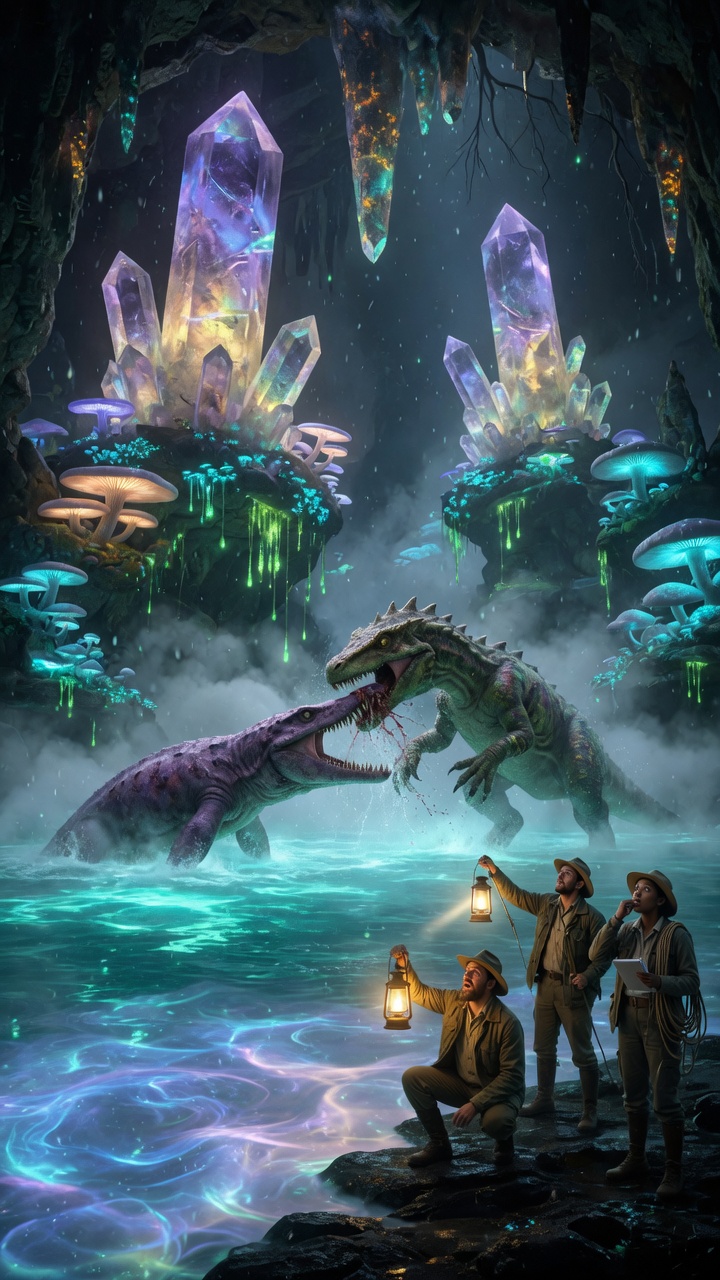
A Journey to the Centre of the Earth
Jules Verne · 1864
Down a volcano lies a world that time forgot.
Verne sends you spelunking to the center of the Earth — underground oceans, glowing caverns, and living dinosaurs. Wonder-filled adventure for the curious.
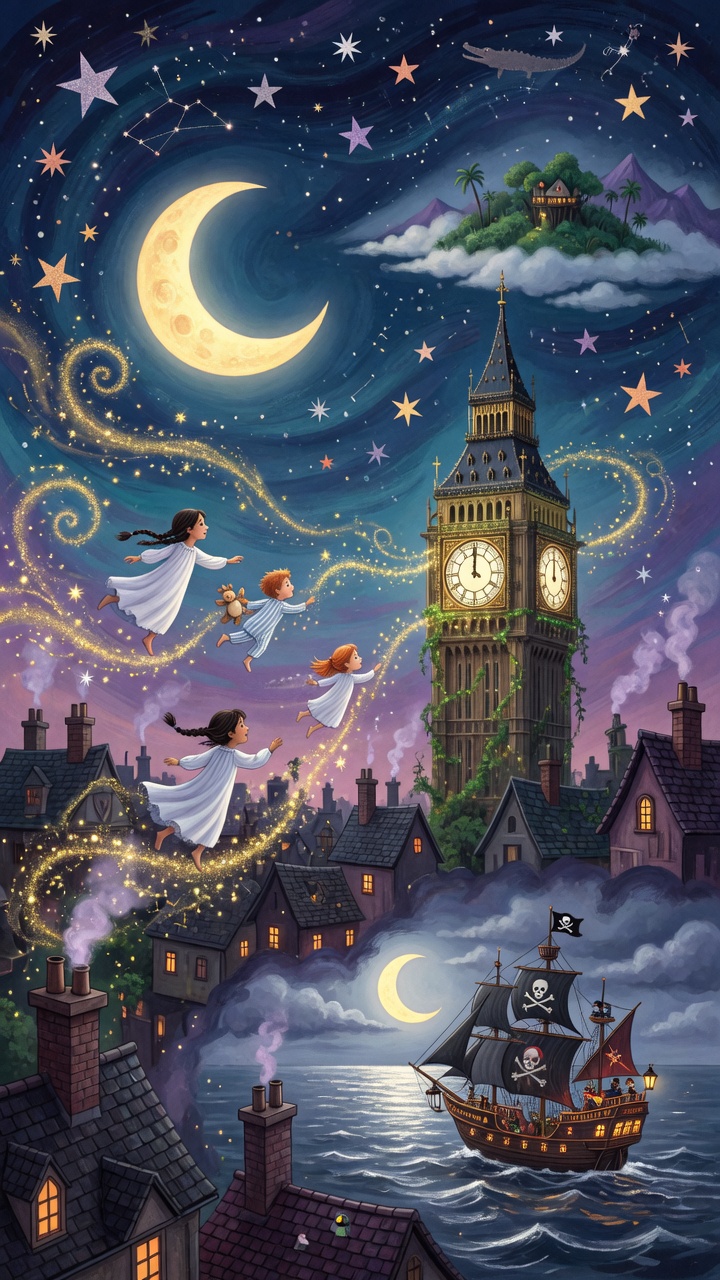
Peter Pan
J. M. Barrie · 1911
Second star to the right, and straight on till morning.
The boy who wouldn't grow up, a pirate with a hook, and a whole island of lost kids. Magical, bittersweet, and far more grown-up than you remember.
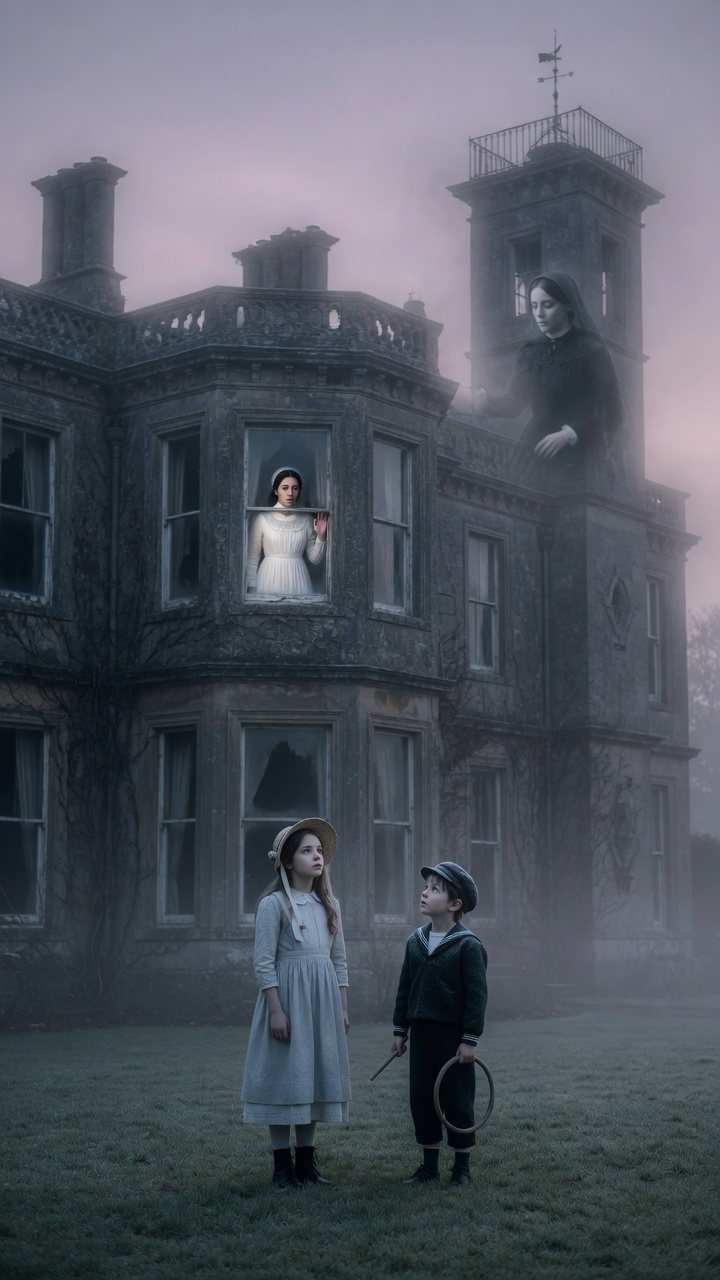
The Turn of the Screw
Henry James · 1898
Are the children haunted — or is she losing her mind?
The most unsettling ghost story ever written, because it never tells you if the ghosts are real. A governess, two strange children, and creeping dread.
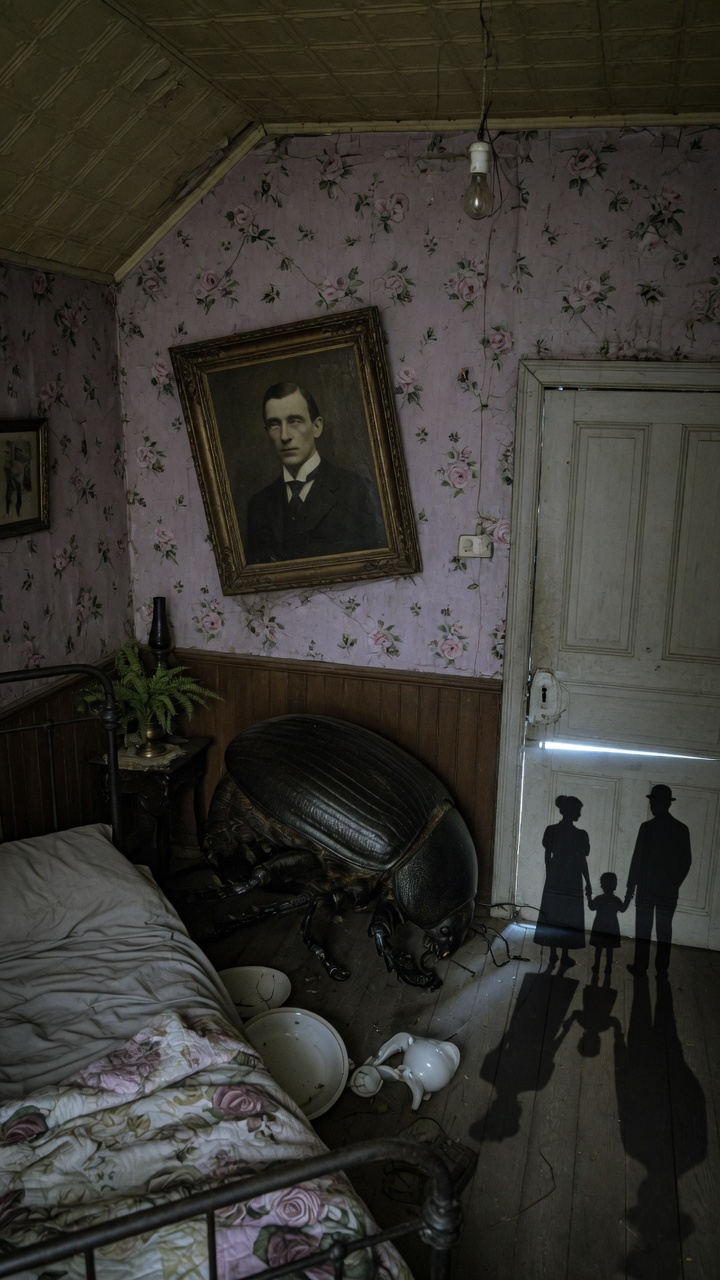
The Metamorphosis
Franz Kafka · 1915
He woke up as a giant insect. His family's reaction is the real horror.
Kafka's nightmare fable: a man transformed into a bug overnight, and the slow, devastating way his family stops seeing him as human. Strange and unforgettable.
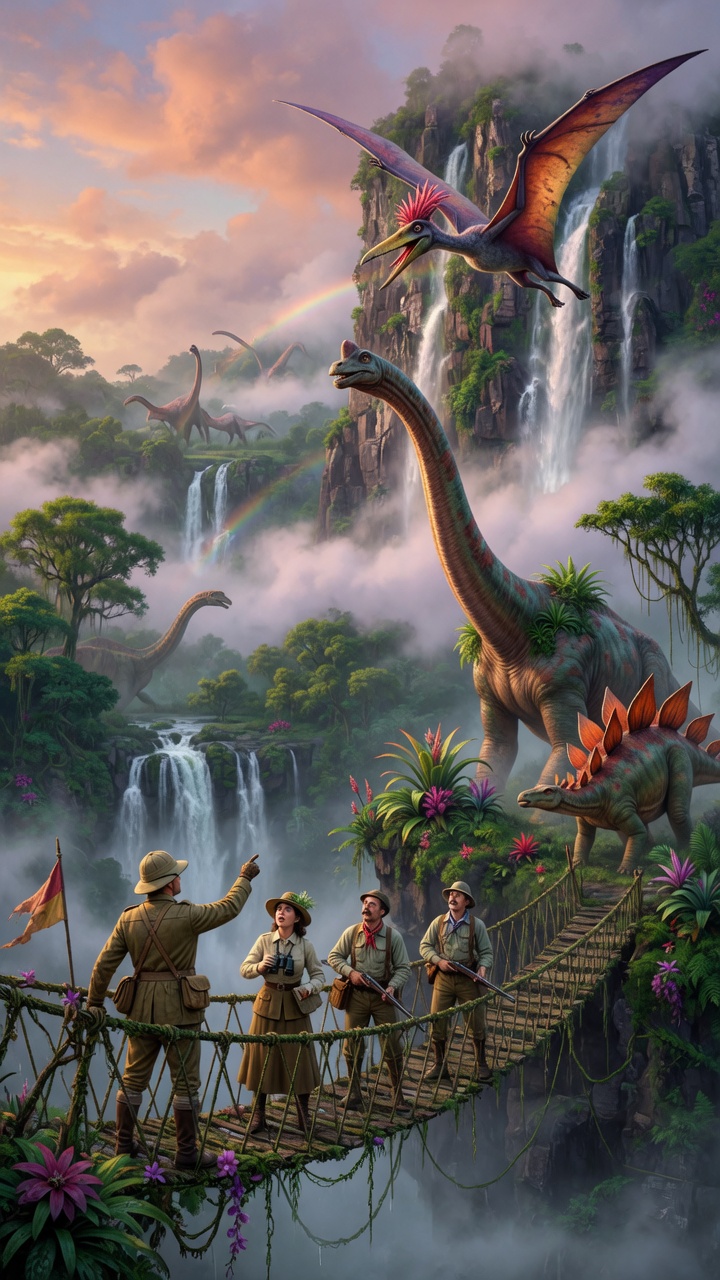
The Lost World
Arthur Conan Doyle · 1912
On a hidden plateau, the dinosaurs never died.
Before Jurassic Park, there was this: a bombastic professor leads an expedition to a plateau where prehistoric monsters still roam. Rollicking pulp adventure.
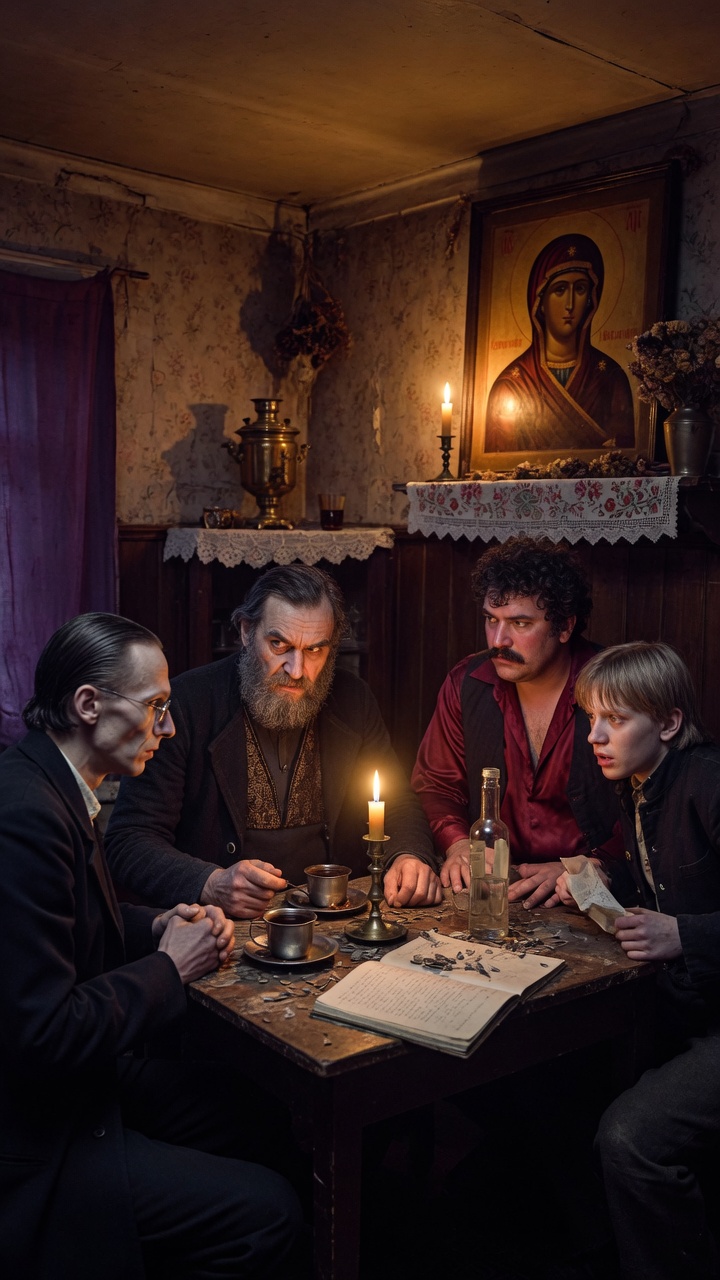
The Brothers Karamazov
Fyodor Dostoevsky · 1880
Three brothers, one murdered father, and the question of God.
Dostoevsky's towering final masterpiece — a murder mystery that's really about faith and free will.
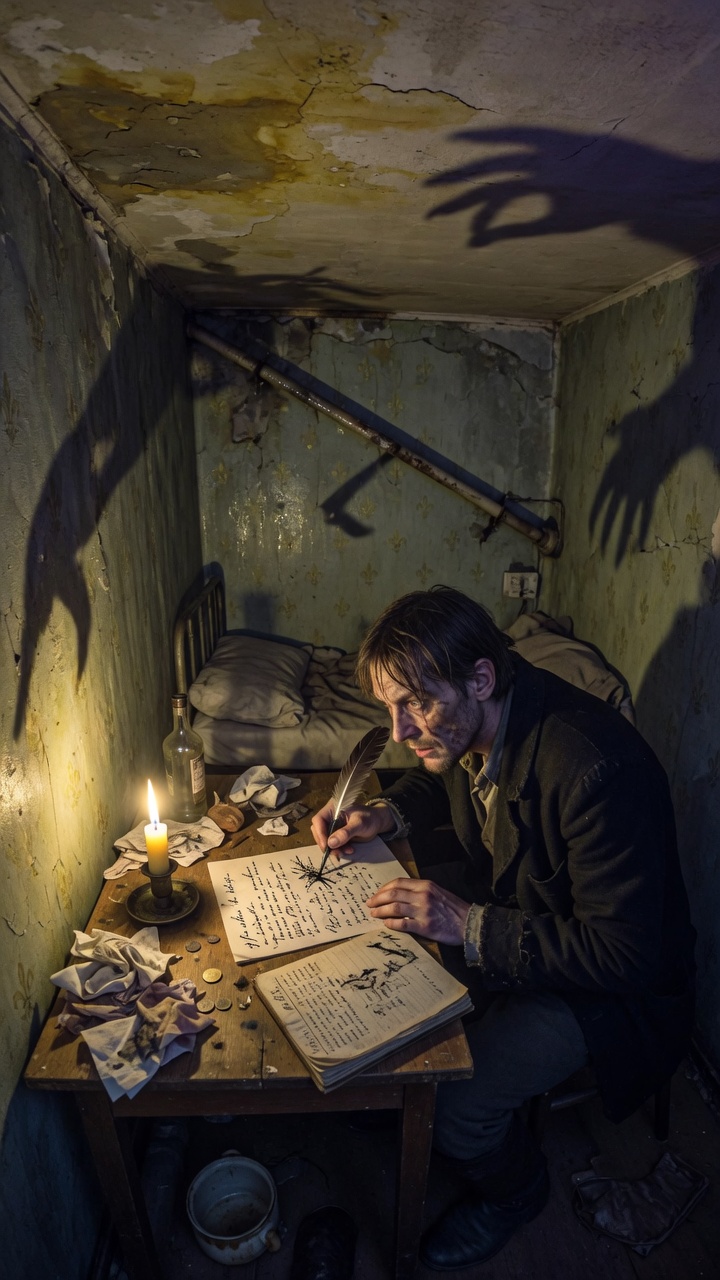
Notes from the Underground
Fyodor Dostoevsky · 1864
A bitter man narrates his own beautiful self-destruction.
The first existential novel — a spiteful, brilliant voice from the basement of the human mind.
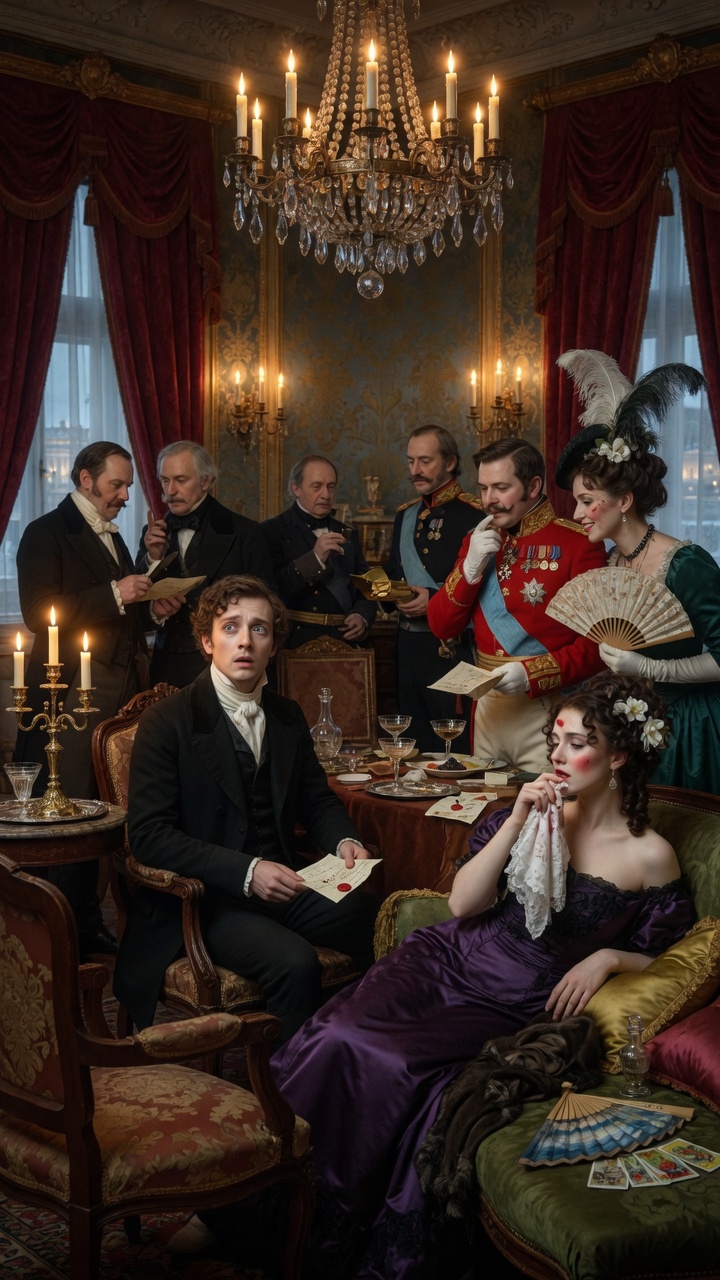
The Idiot
Fyodor Dostoevsky · 1869
A truly good man dropped into a world that devours him.
Dostoevsky asks what happens when pure innocence meets greed, pride, and obsessive love.
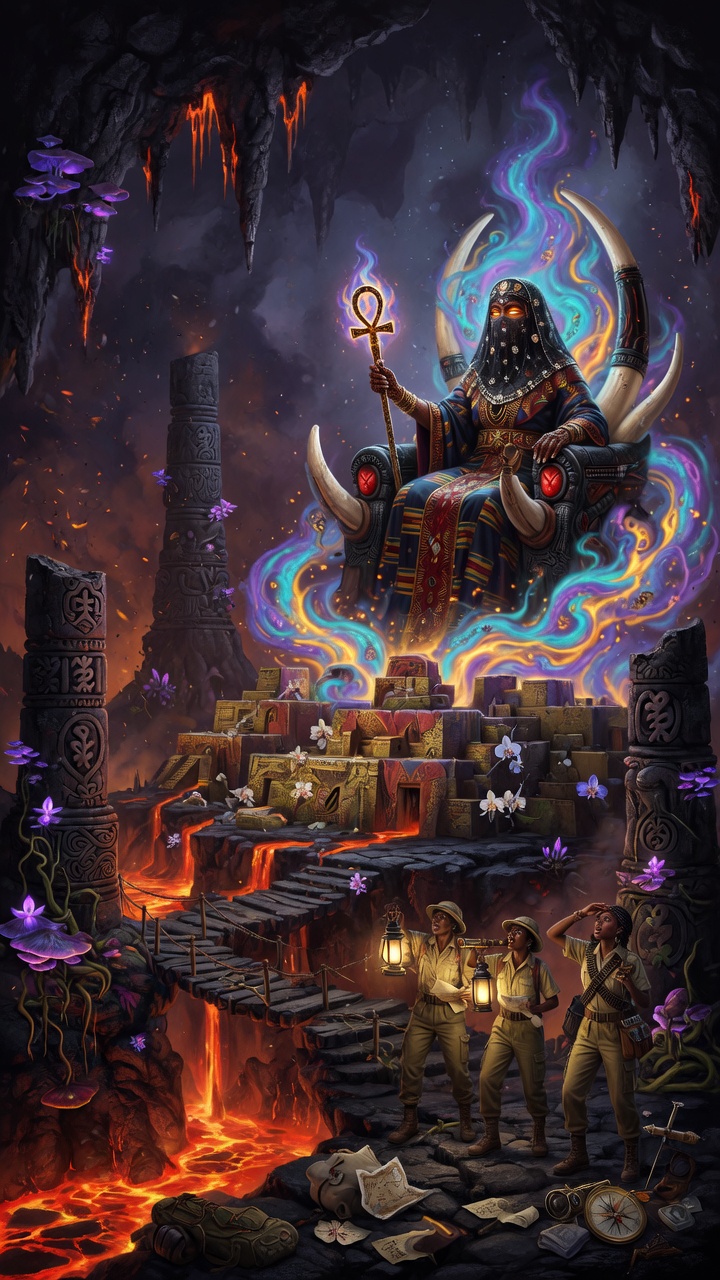
She
H. Rider Haggard · 1887
Deep in Africa rules an immortal queen who waits for a dead man reborn.
The blueprint for every lost-civilization fantasy — a deathless sorceress and a 2,000-year-old love.
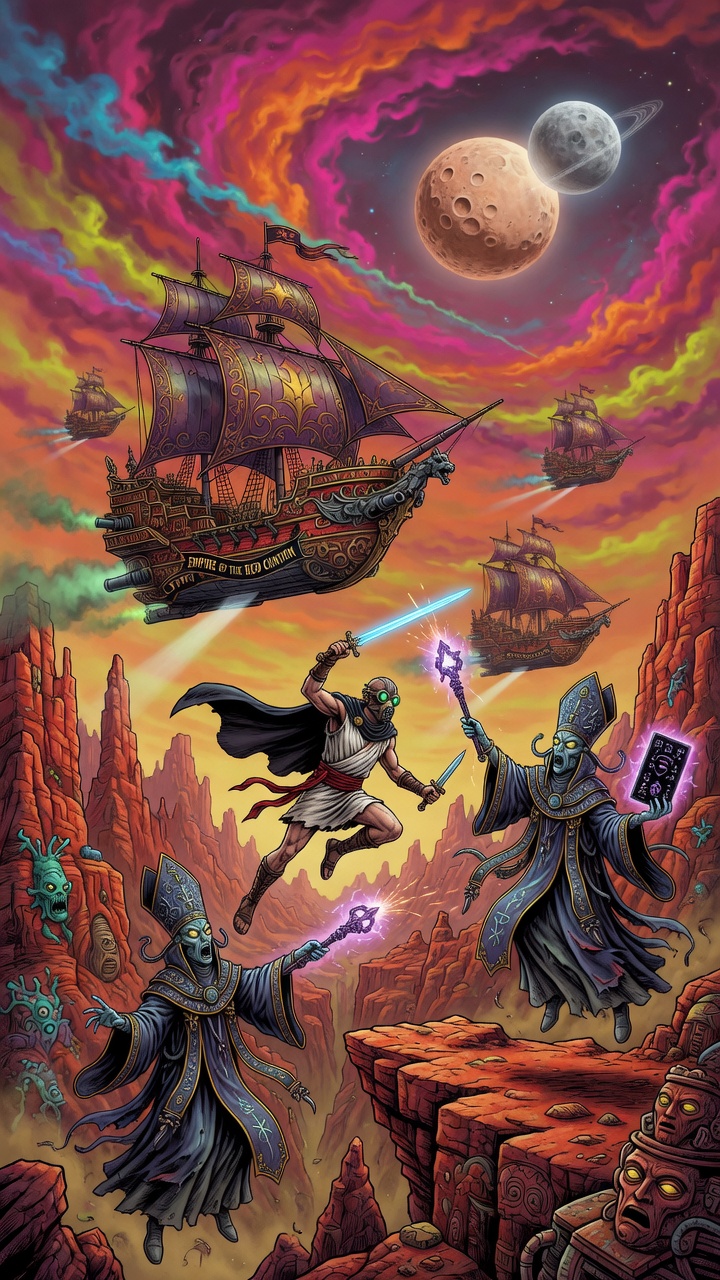
The Gods of Mars
Edgar Rice Burroughs · 1913
Back on Mars, and the gods themselves are the enemy.
John Carter returns to a red planet of flying ships, savage gods, and nonstop sword-and-blaster action.
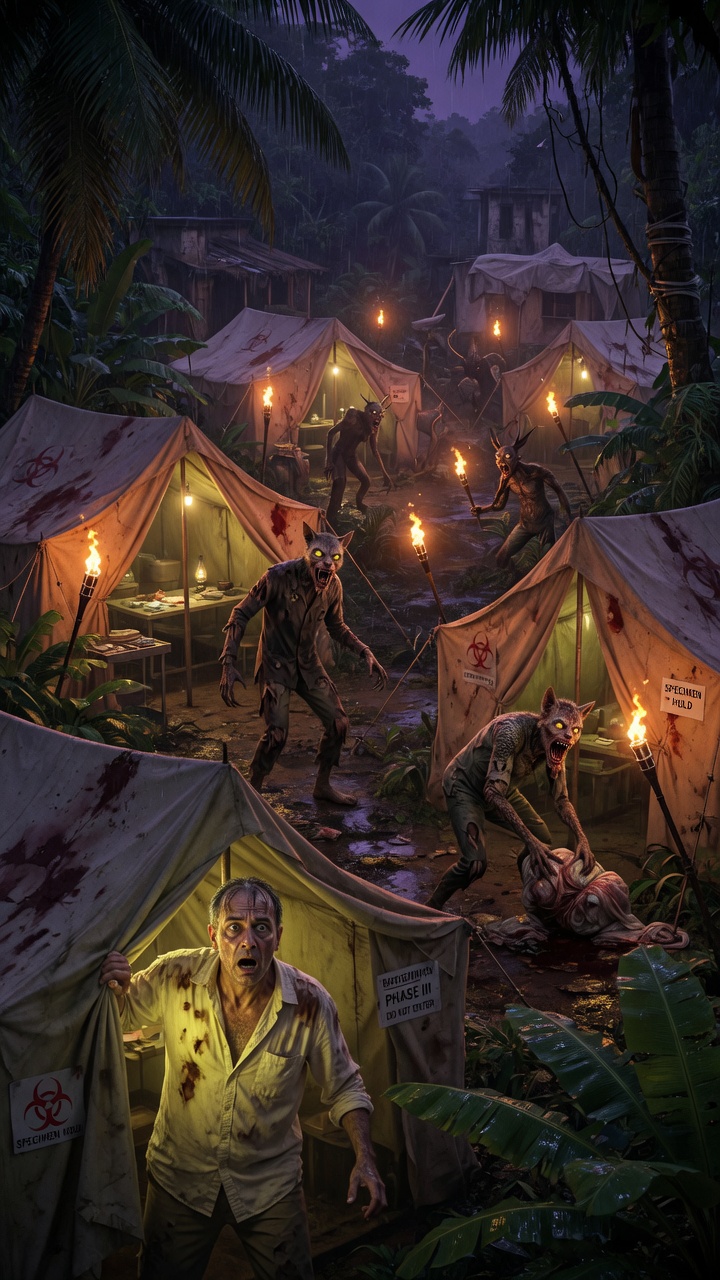
The Island of Doctor Moreau
H. G. Wells · 1896
A mad doctor is carving animals into men.
A castaway discovers an island lab where surgery blurs the line between beast and human. Nightmarish.
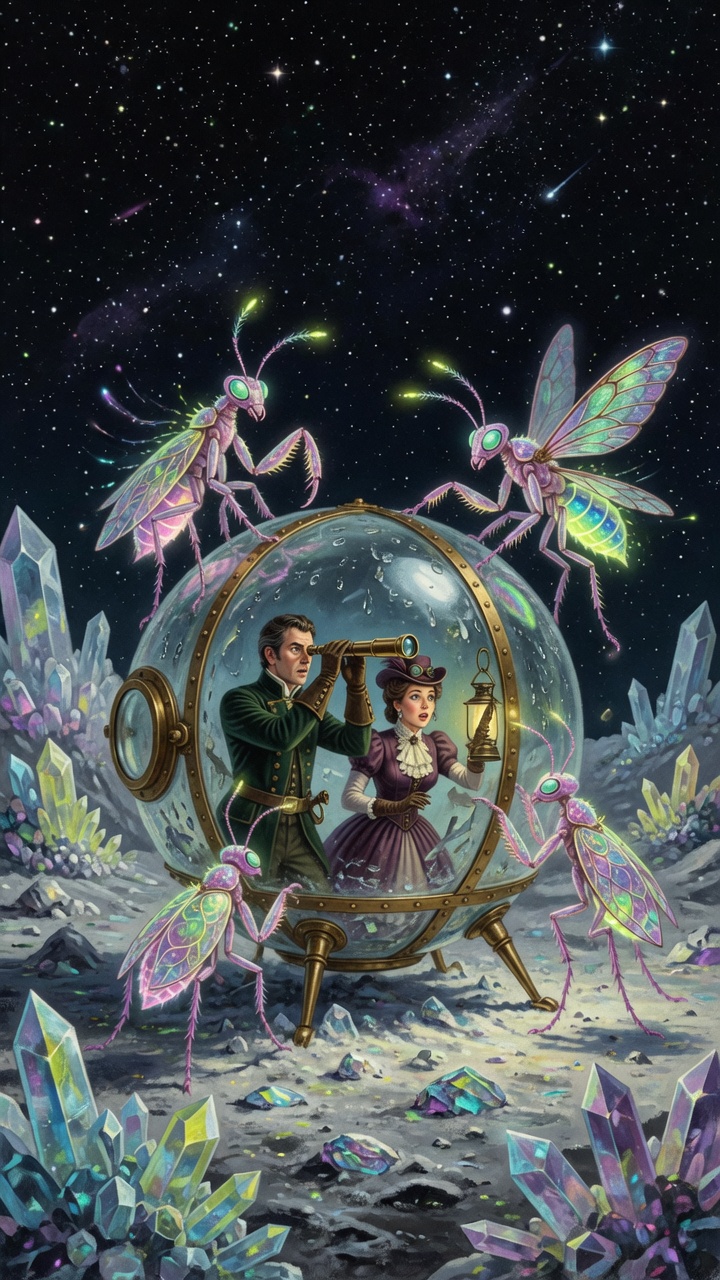
The First Men in the Moon
H. G. Wells · 1901
Two Englishmen land on the Moon — and it is inhabited.
A wild Victorian lunar voyage into caverns ruled by an insect-like Moon civilization.
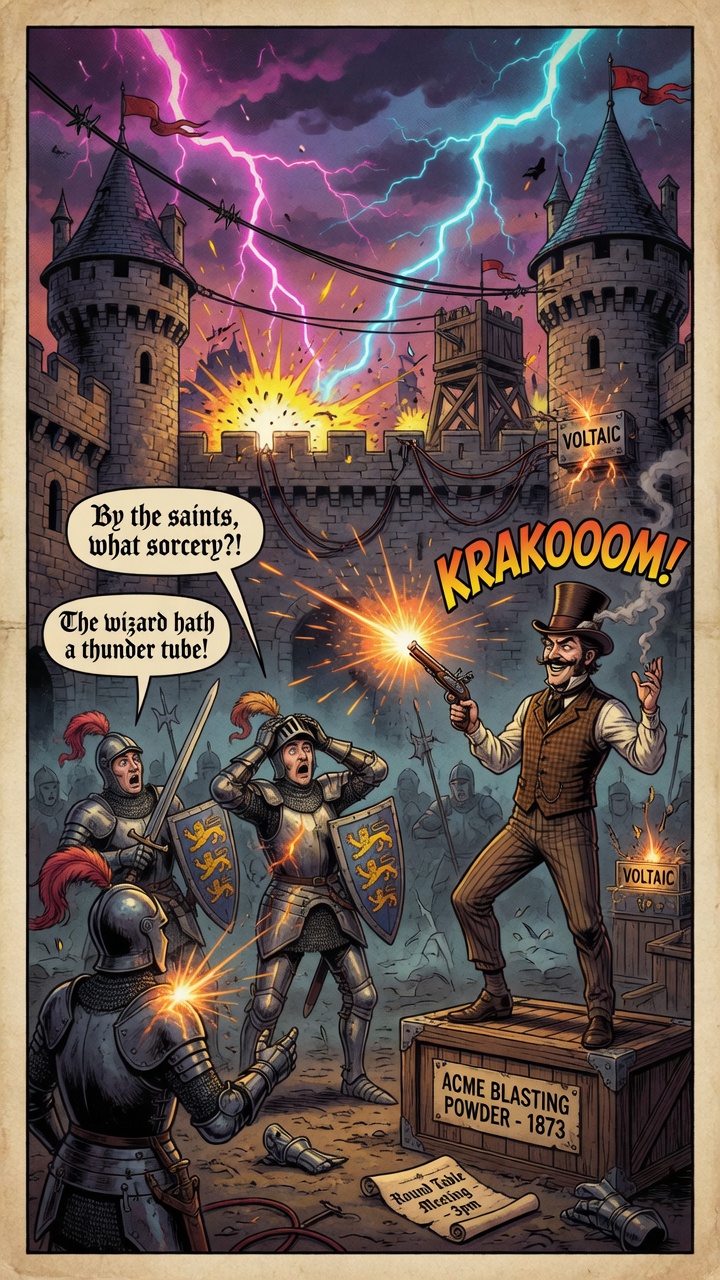
A Connecticut Yankee in King Arthur's Court
Mark Twain · 1889
A modern engineer wakes up in Camelot and starts improving things.
Twain drops a wisecracking Yankee into King Arthur’s court for time-travel satire and chaos.
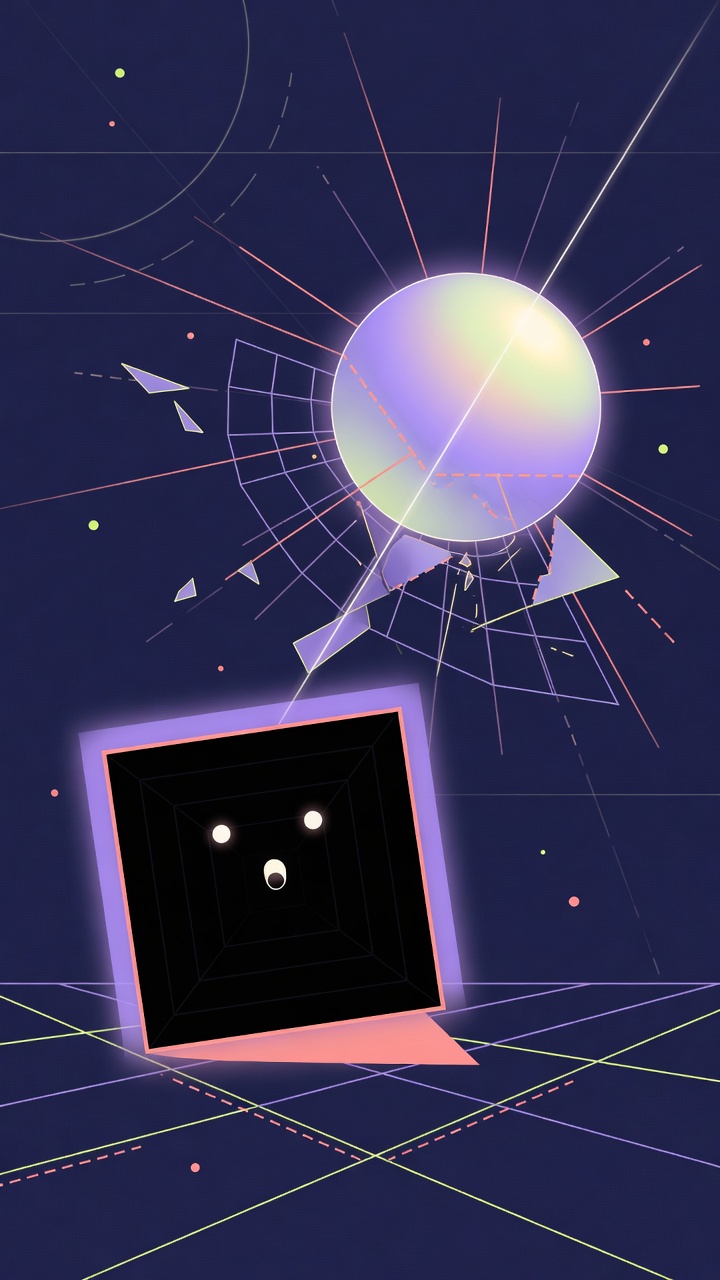
Flatland
Edwin A. Abbott · 1884
A square living in a 2D world meets the third dimension.
A brain-bending geometric fable about dimensions, conformity, and seeing beyond your world.
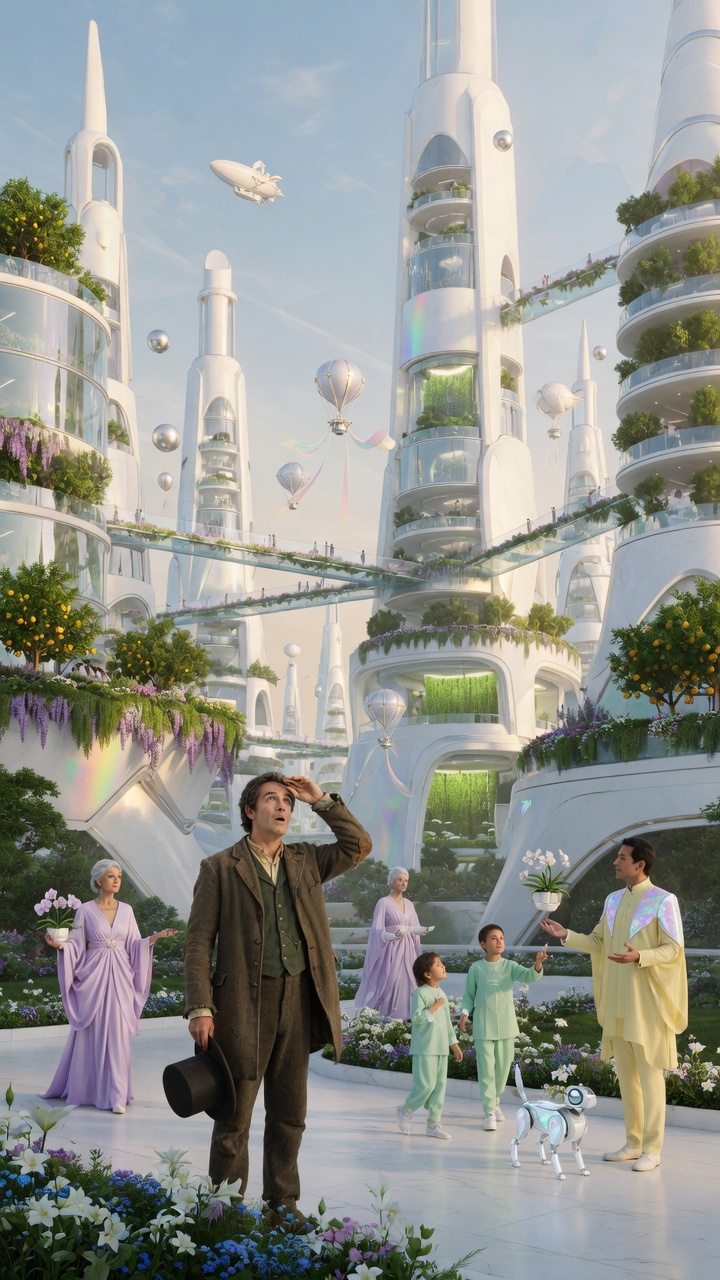
Looking Backward
Edward Bellamy · 1888
He falls asleep in 1887 and wakes in a perfect year 2000.
The utopian novel that gripped a generation — a vision of a gleaming, equal future.
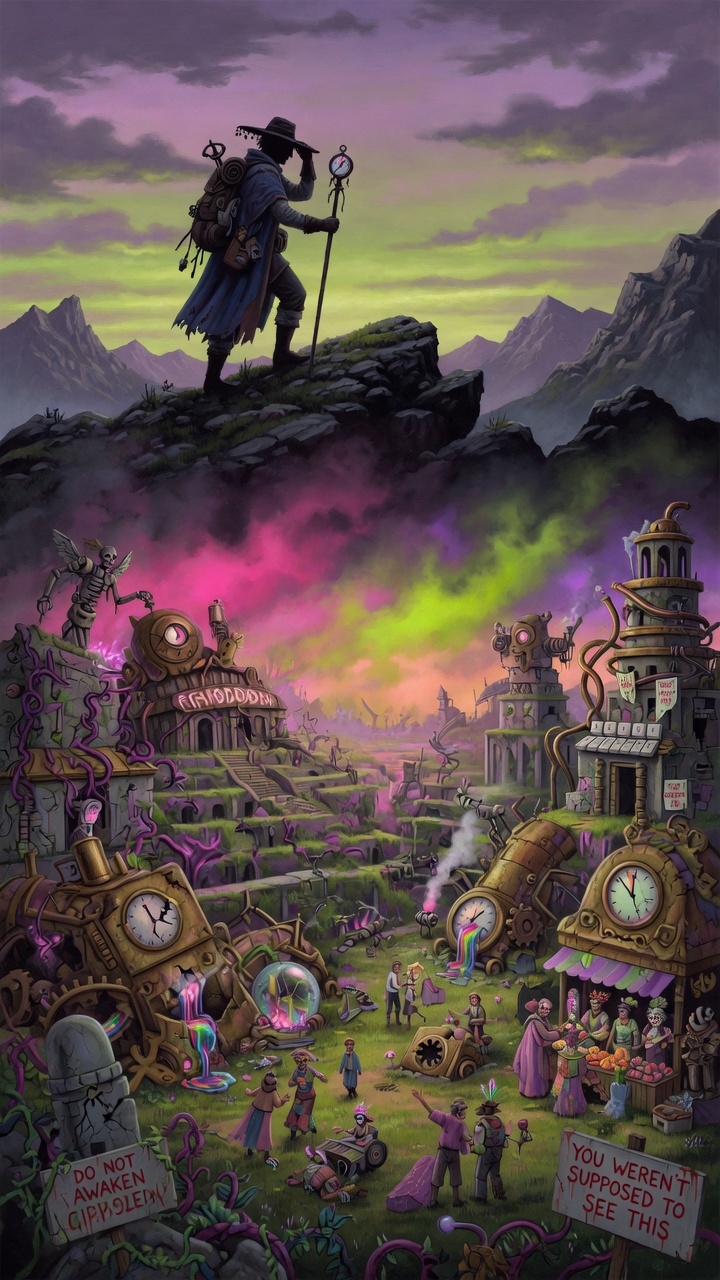
Erewhon
Samuel Butler · 1872
A hidden land where illness is a crime and machines are banned.
A razor-sharp satire that imagined the danger of intelligent machines a century early.
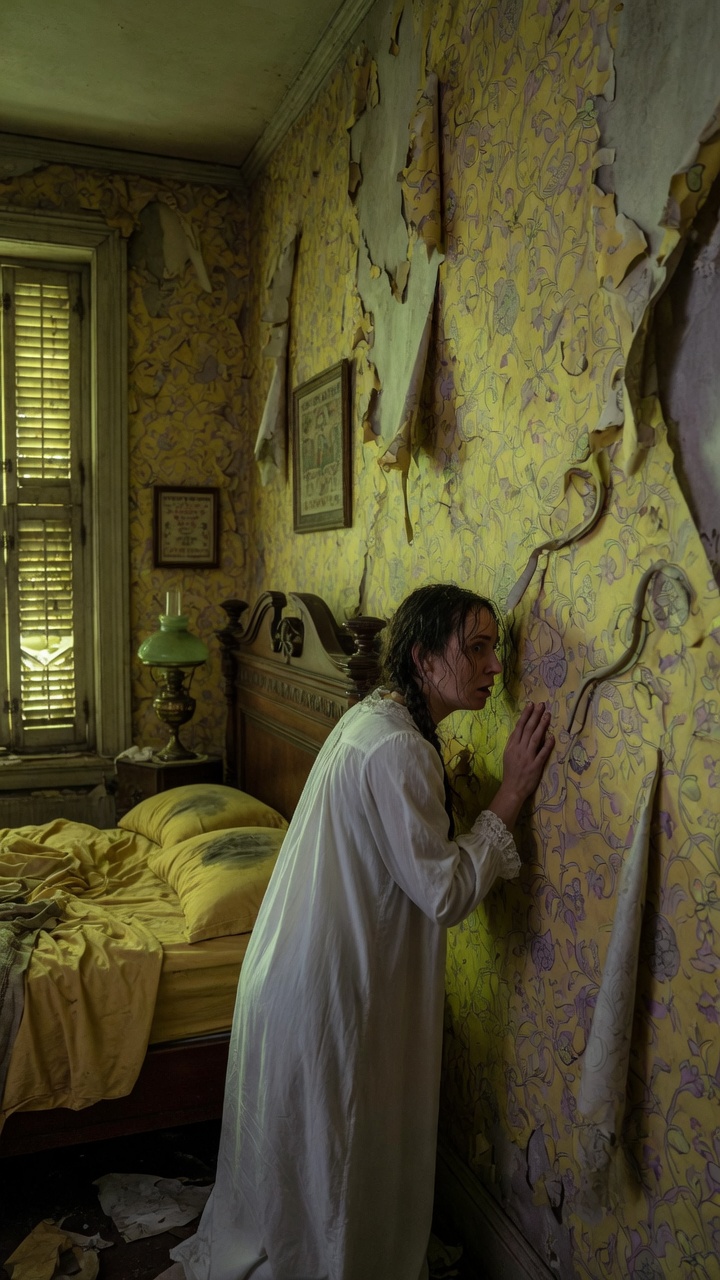
The Yellow Wallpaper
Charlotte Perkins Gilman · 1892
Locked in a room, she starts to see things in the walls.
A chilling descent into madness — and a furious indictment of how women were "treated."
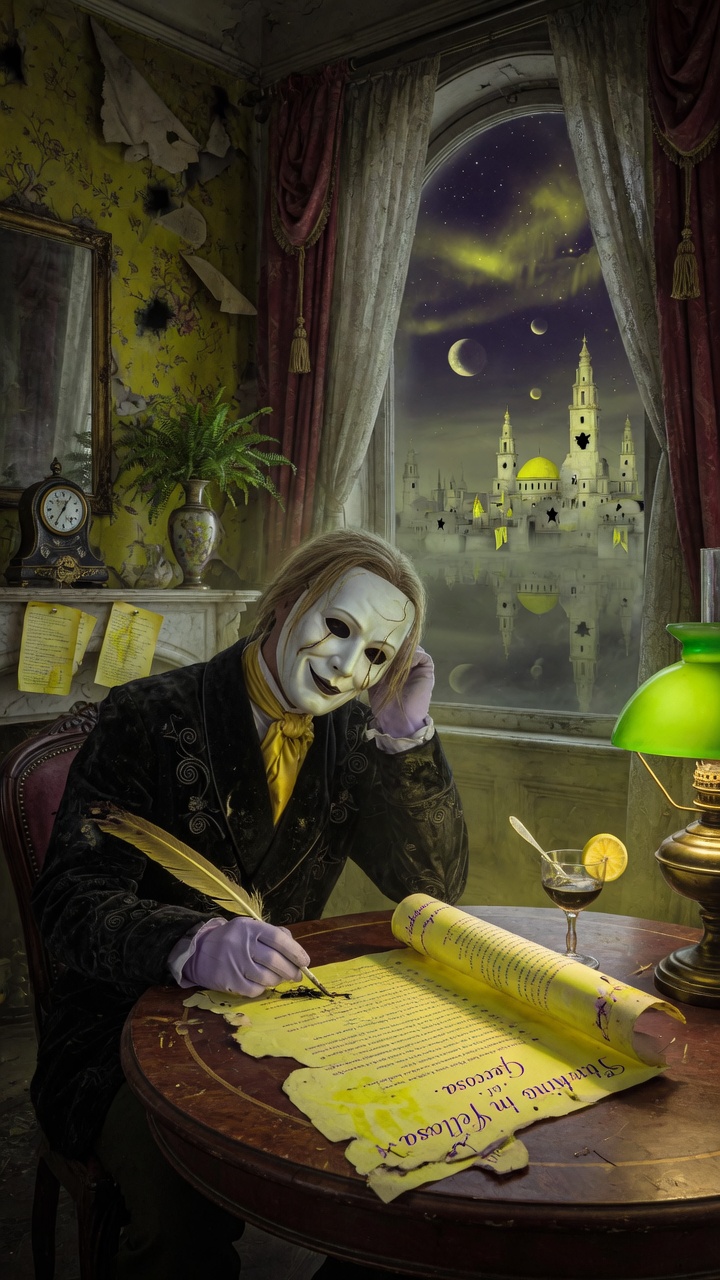
The King in Yellow
Robert W. Chambers · 1895
A forbidden play that drives its readers insane.
Eerie, dreamlike tales orbiting a cursed book — the secret ancestor of cosmic horror.
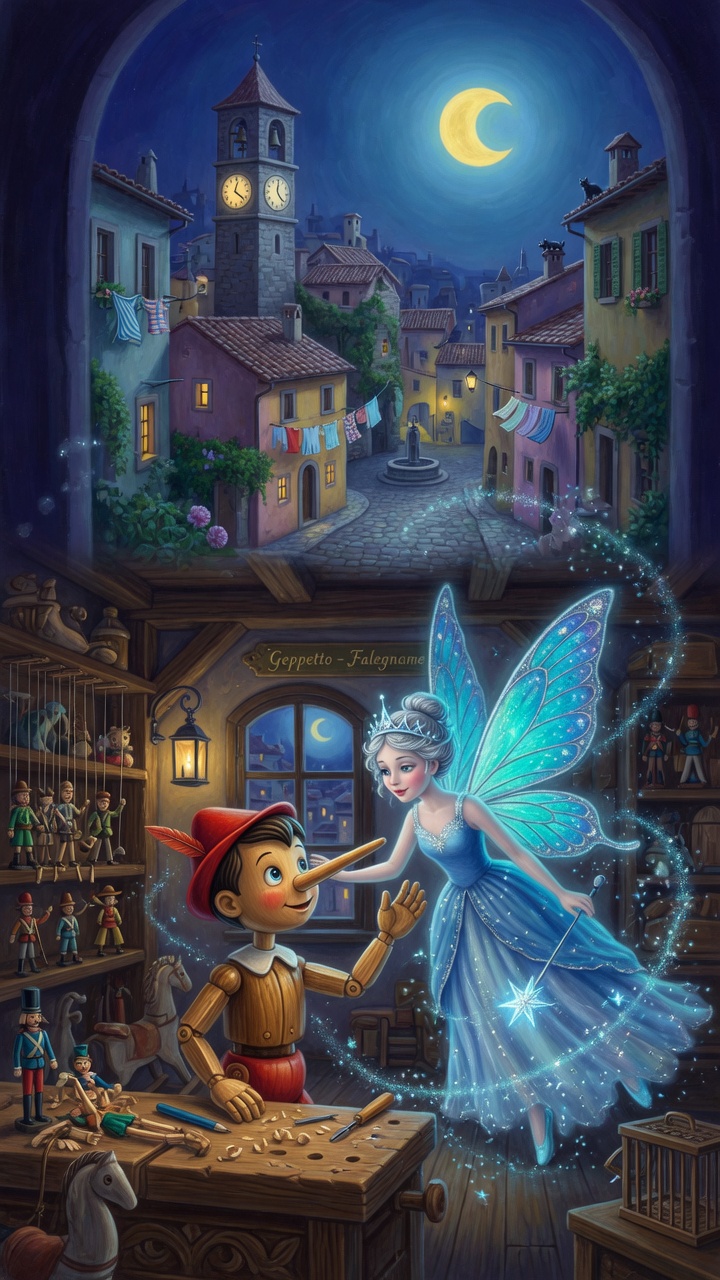
The Adventures of Pinocchio
Carlo Collodi · 1883
A wooden puppet lies his way toward becoming a real boy.
Stranger and darker than you remember — a mischievous marionette’s wild road to a soul.
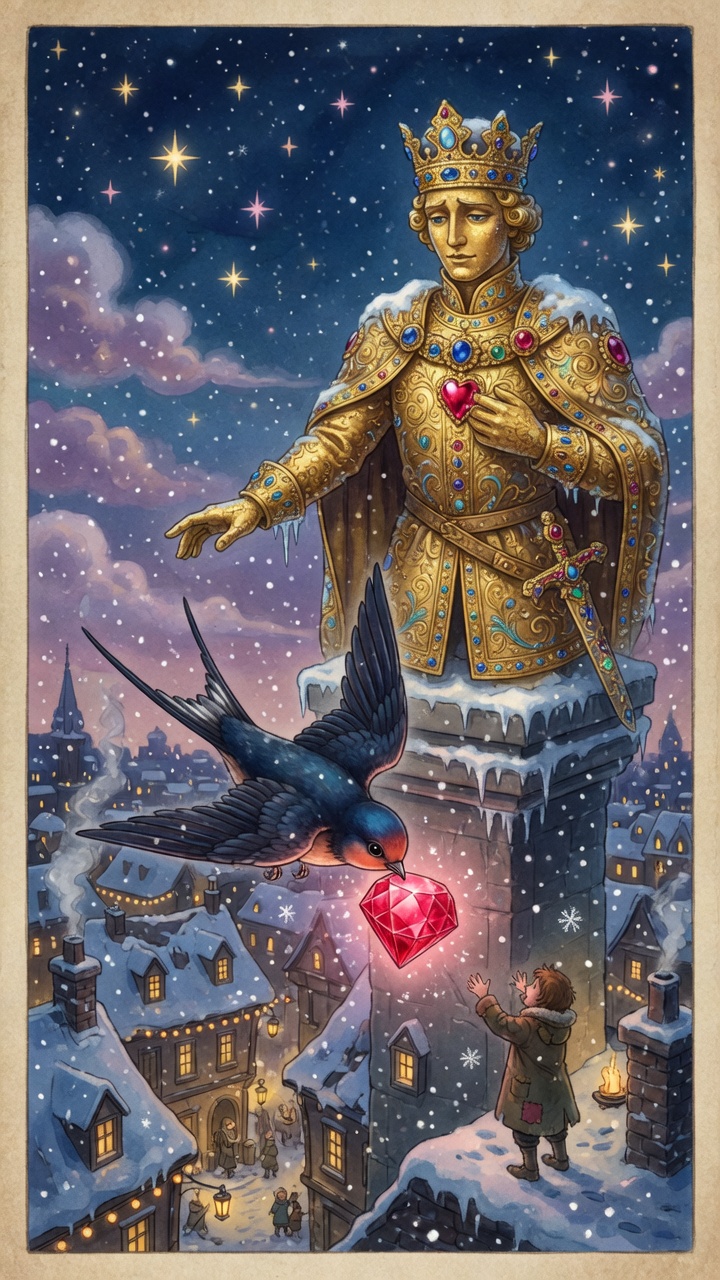
The Happy Prince and Other Tales
Oscar Wilde · 1888
A jeweled statue and a little swallow give everything away.
Wilde's exquisite, heartbreaking fairy tales — beautiful, generous, and quietly devastating.
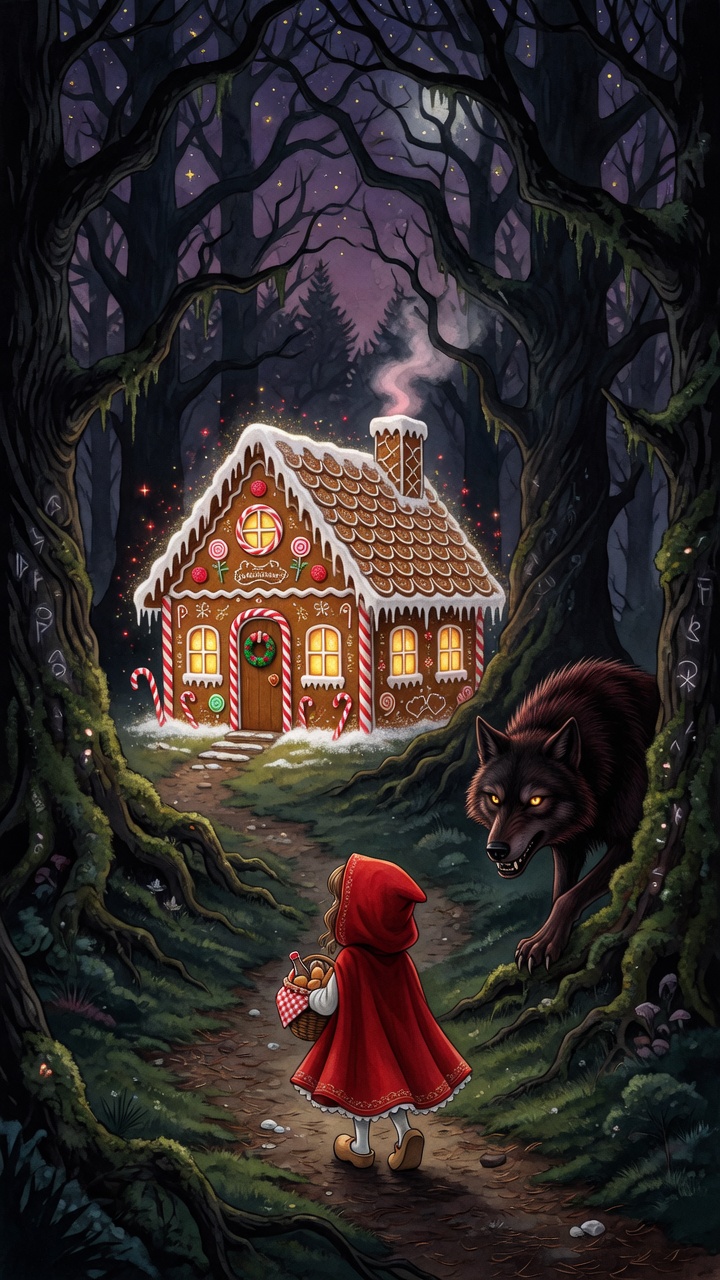
Grimms' Fairy Tales
Brothers Grimm · 1812
The original tales — before Disney softened the edges.
Wolves, witches, and woods — the dark, magical source of half the stories you know.
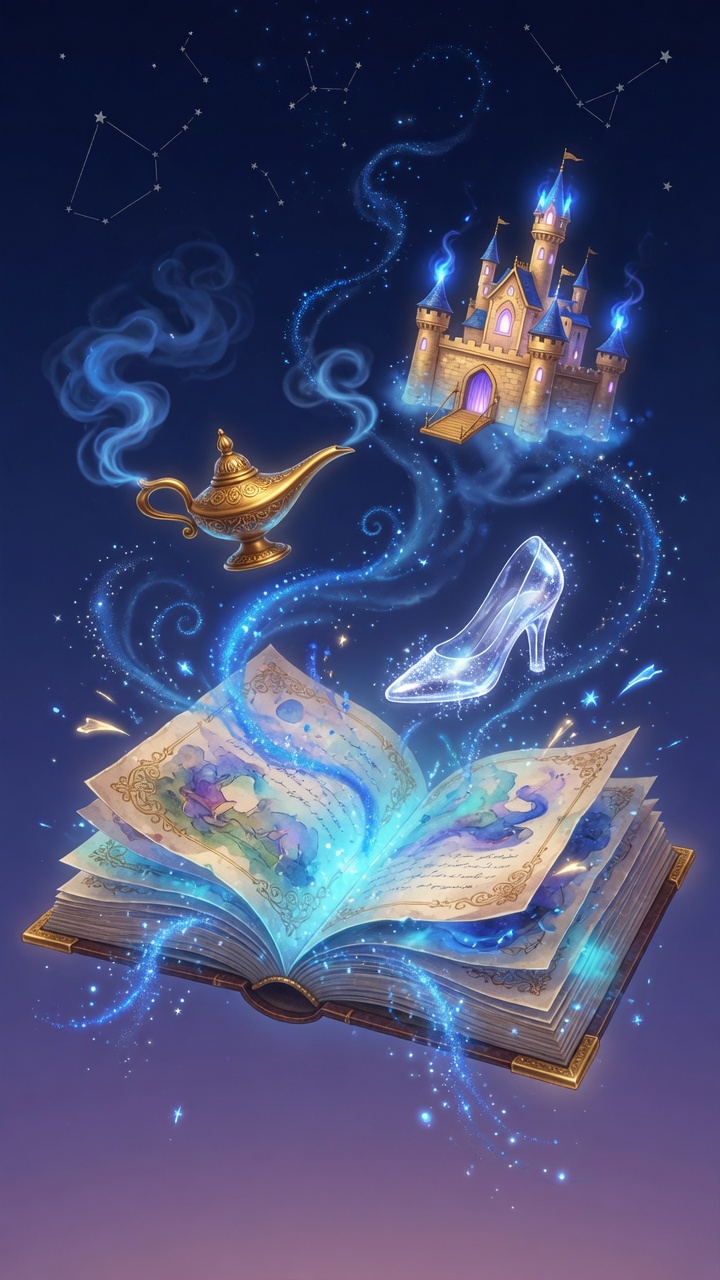
The Blue Fairy Book
Andrew Lang · 1889
Cinderella, Aladdin, Sleeping Beauty — the great collection.
The legendary anthology that gathered the world’s best fairy tales into one magic volume.
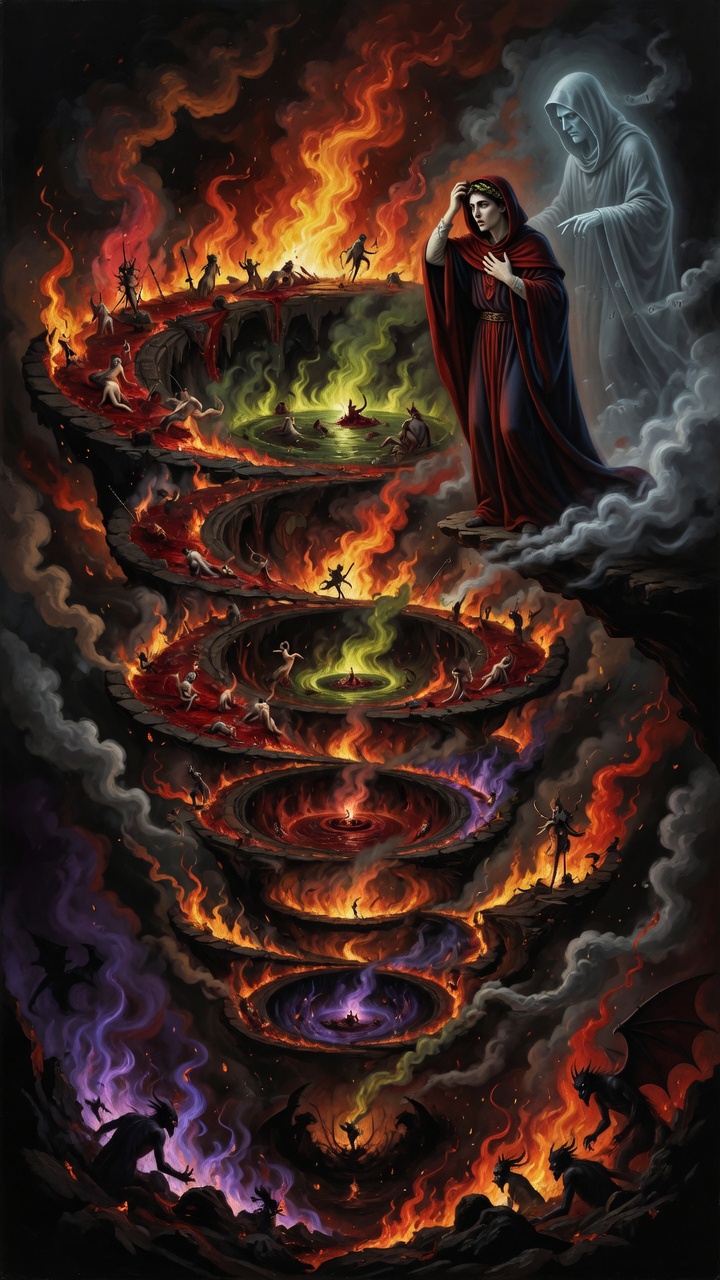
Dante's Inferno
Dante Alighieri · 1320
A guided tour through the nine circles of Hell.
The most vivid vision of the afterlife ever written — descending through ever-worse torments.
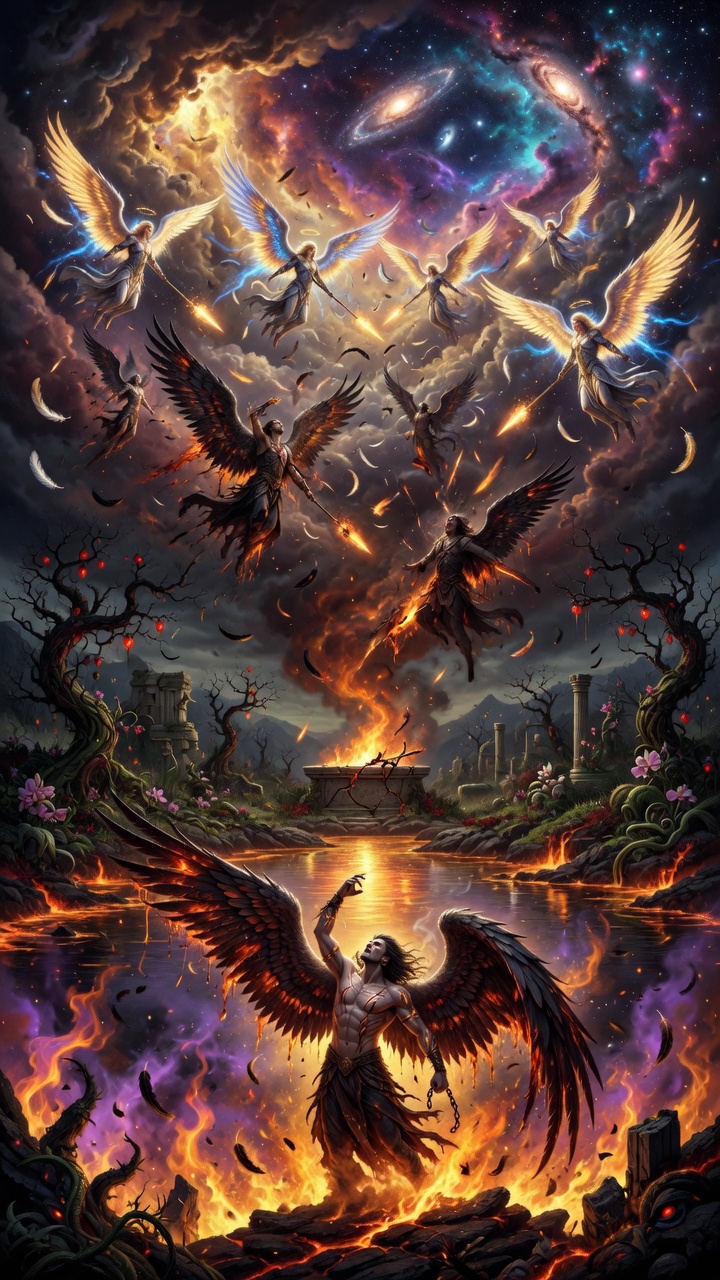
Paradise Lost
John Milton · 1667
The war in Heaven, the fall of man, and the case for the Devil.
Milton’s thunderous epic gives Satan the best lines and grandeur beyond measure.
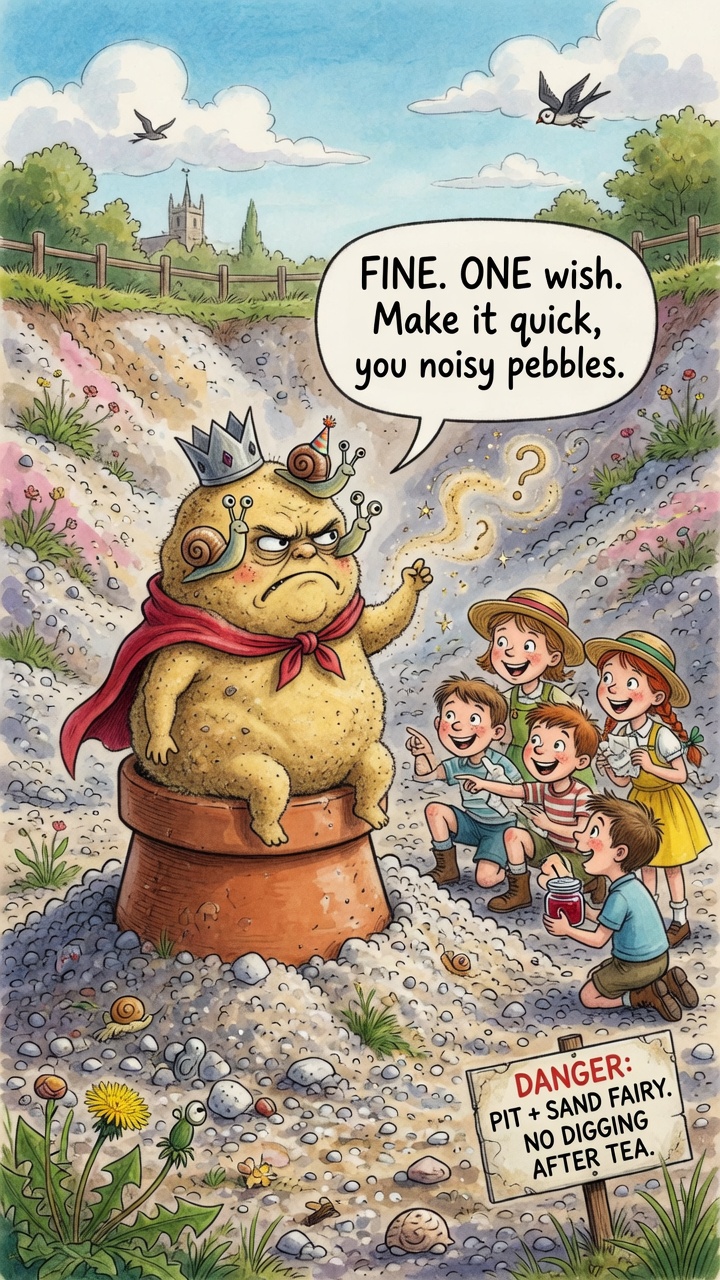
Five Children and It
E. Nesbit · 1902
A grumpy wish-granting sand-fairy that always backfires.
Siblings dig up an ancient creature that grants one wish a day — with hilarious, chaotic results.
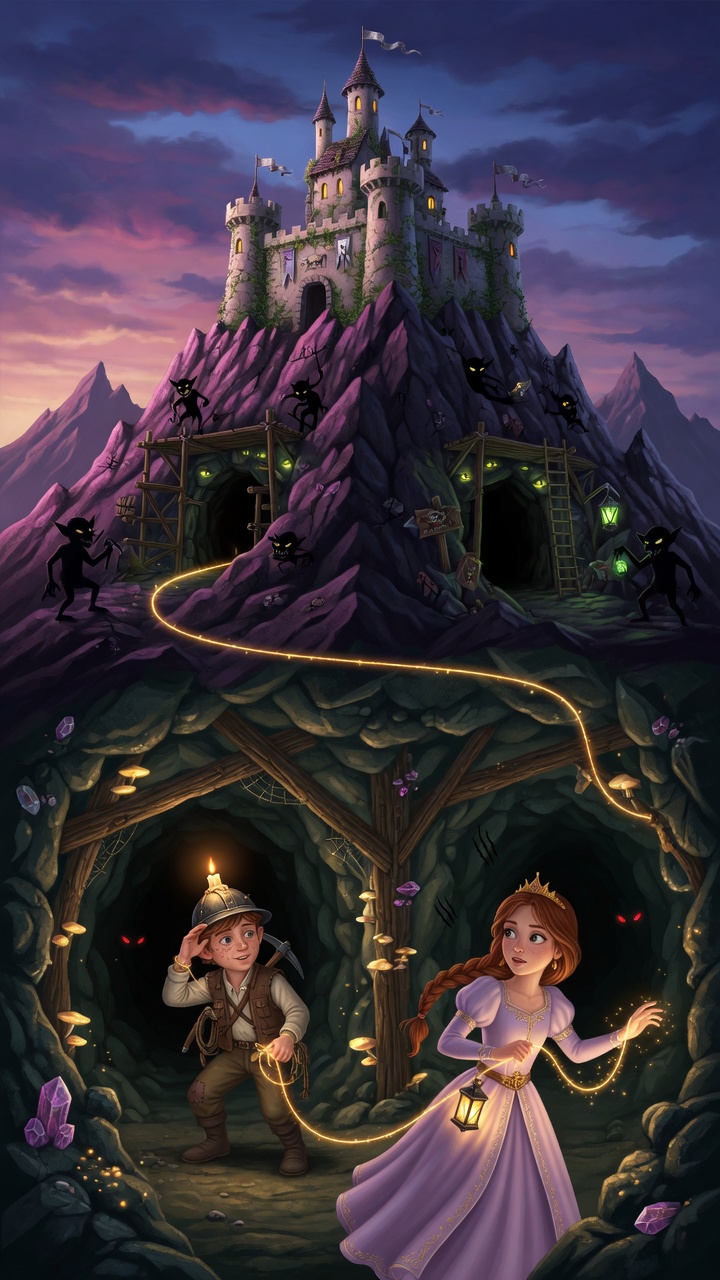
The Princess and the Goblin
George MacDonald · 1872
A princess, a miner boy, and goblins beneath the mountain.
The fairy tale that inspired Tolkien and Lewis — a magic thread, dark tunnels, and true courage.