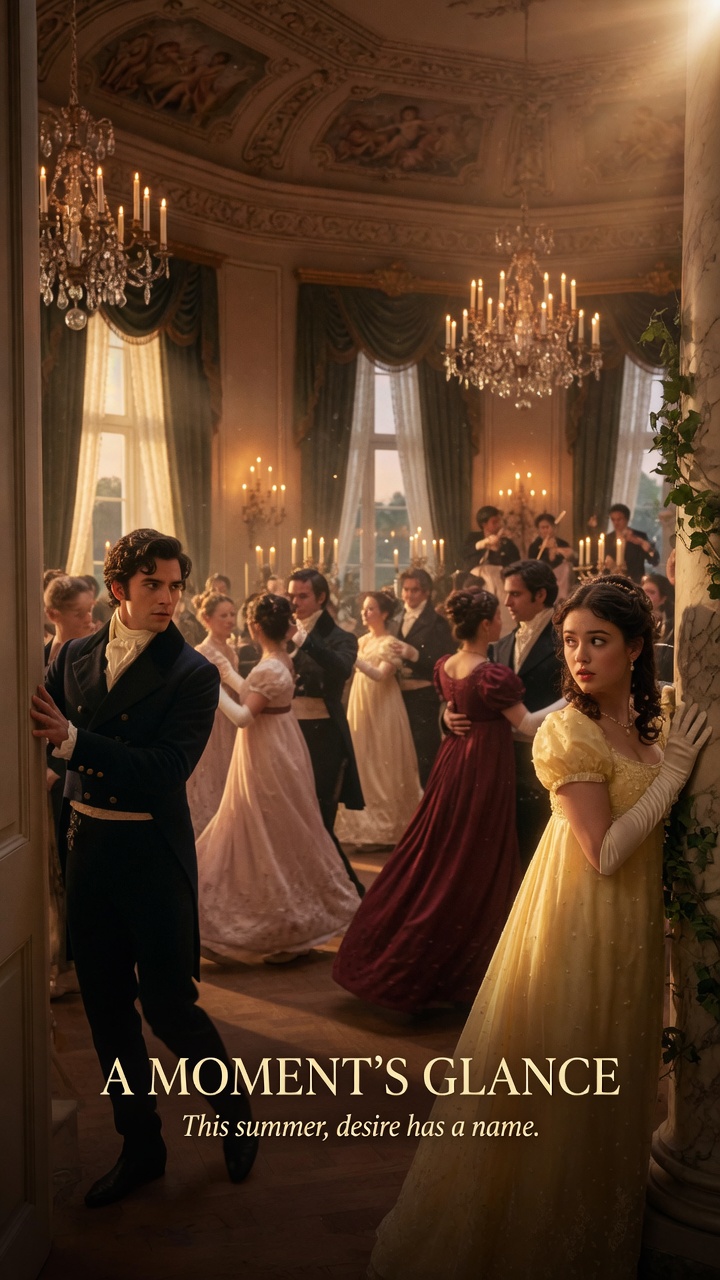
Pride and Prejudice
Jane Austen · 1813
Two stubborn hearts. One very long misunderstanding.
The enemies-to-lovers blueprint. Sharp, funny, and the slowest of slow burns — Elizabeth and Darcy can't stand each other, which is exactly how you know.
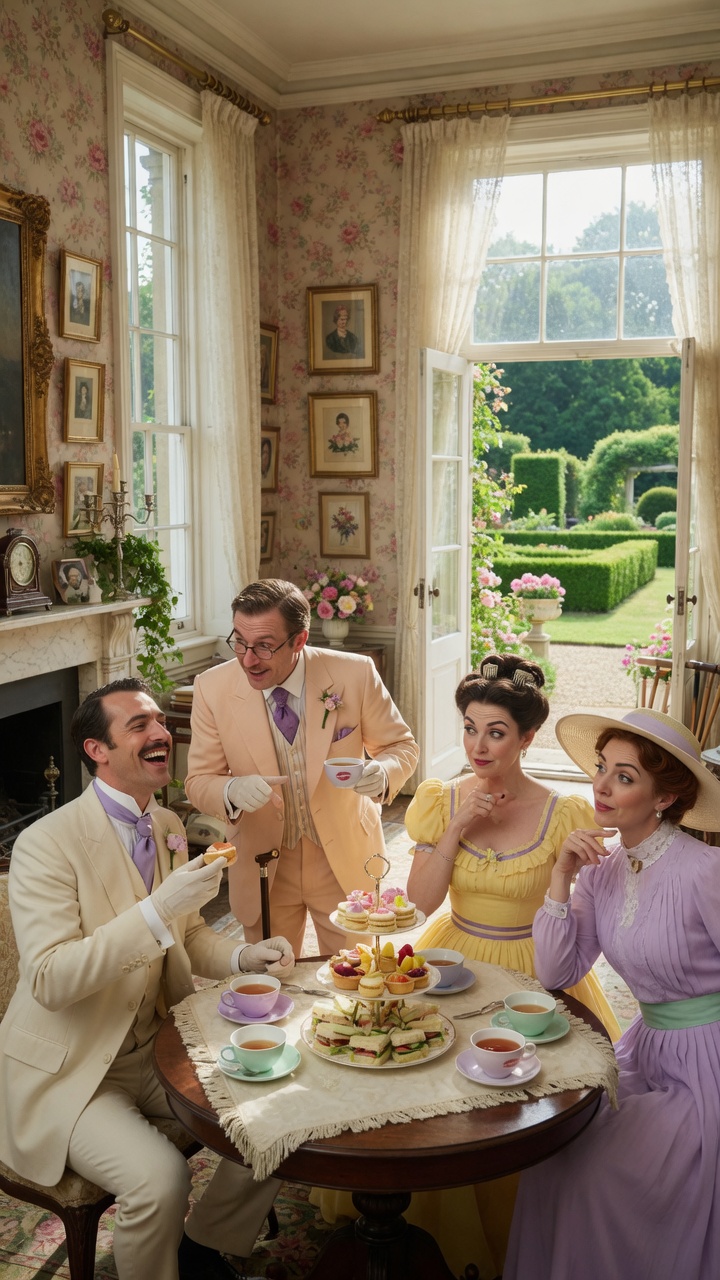
The Importance of Being Earnest
Oscar Wilde · 1895
Two men, two fake identities, one very inconvenient handbag.
The funniest play in the English language — a champagne-fizzy farce of double lives, cucumber sandwiches, and Wilde's most quotable zingers. Pure delight.
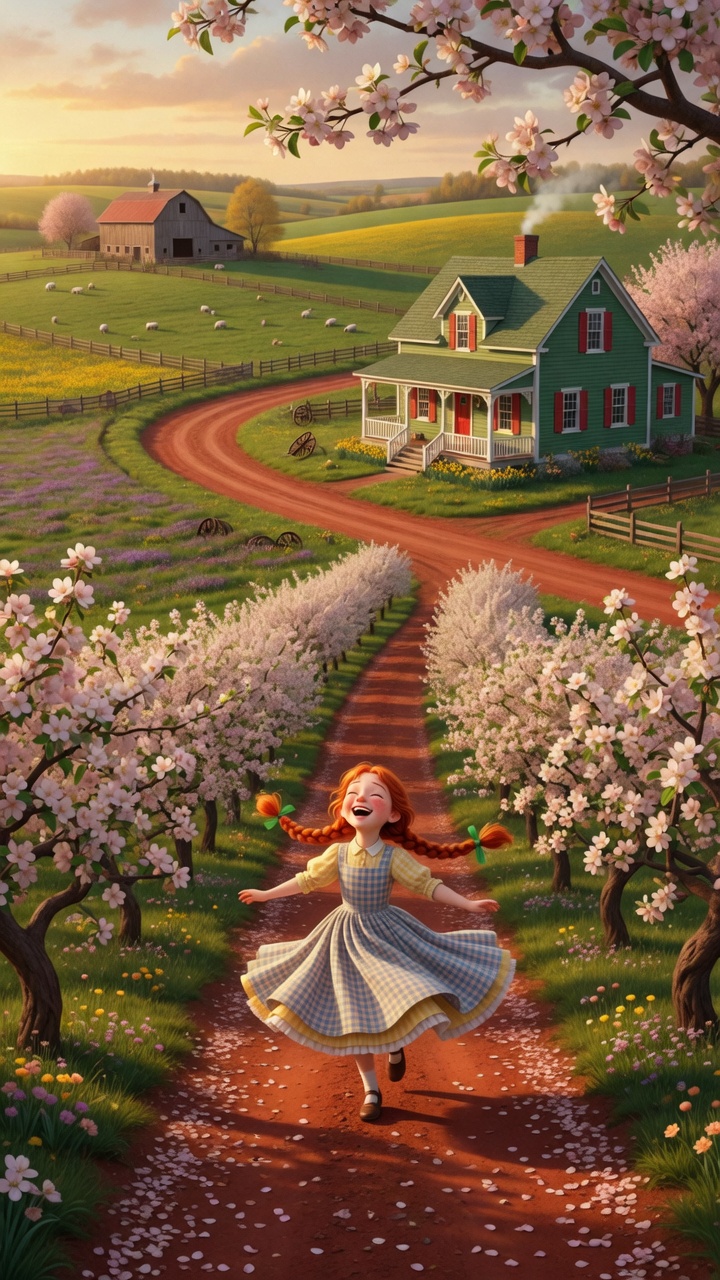
Anne of Green Gables
L. M. Montgomery · 1908
They wanted a farmhand. They got a red-headed whirlwind.
An orphan with a runaway imagination talks her way into one family's heart and a whole island's. Warm, funny, and impossible not to root for.
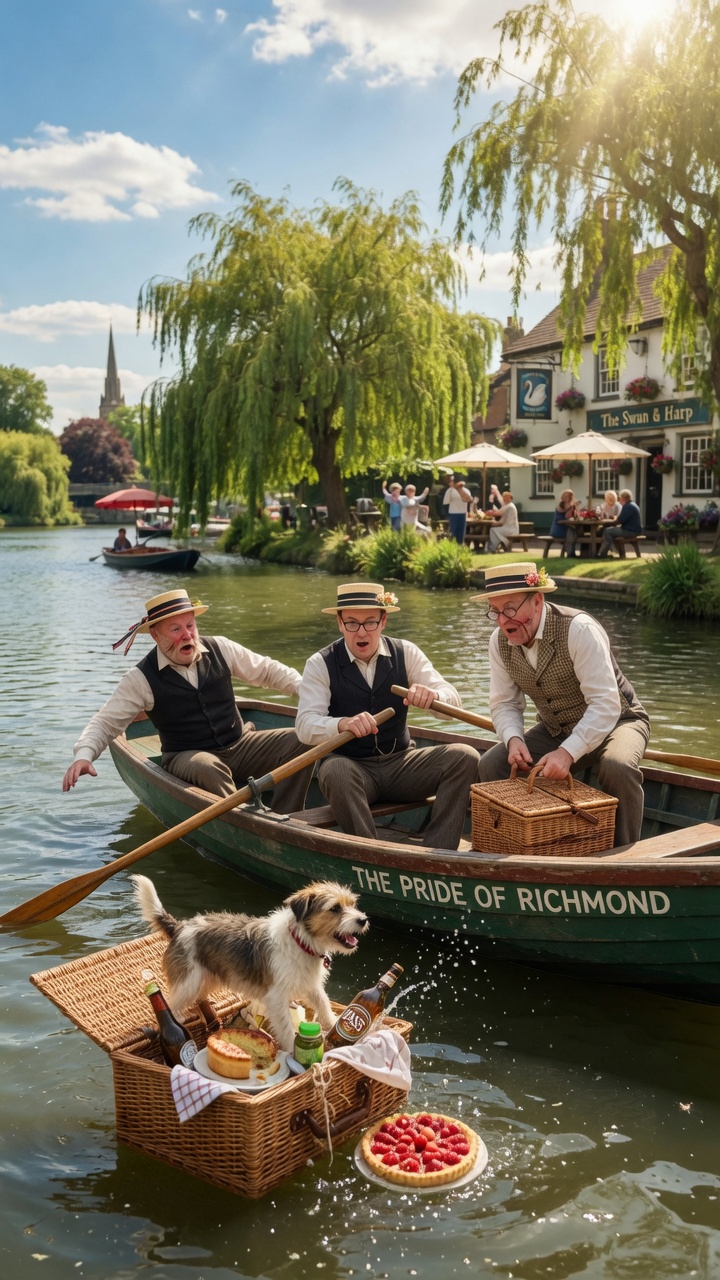
Three Men in a Boat
Jerome K. Jerome · 1889
Three friends, one dog, and a boat none of them can row.
A lazy river trip that goes hilariously wrong at every bend. Victorian England's funniest book — basically a 19th-century comedy podcast about absolutely nothing.
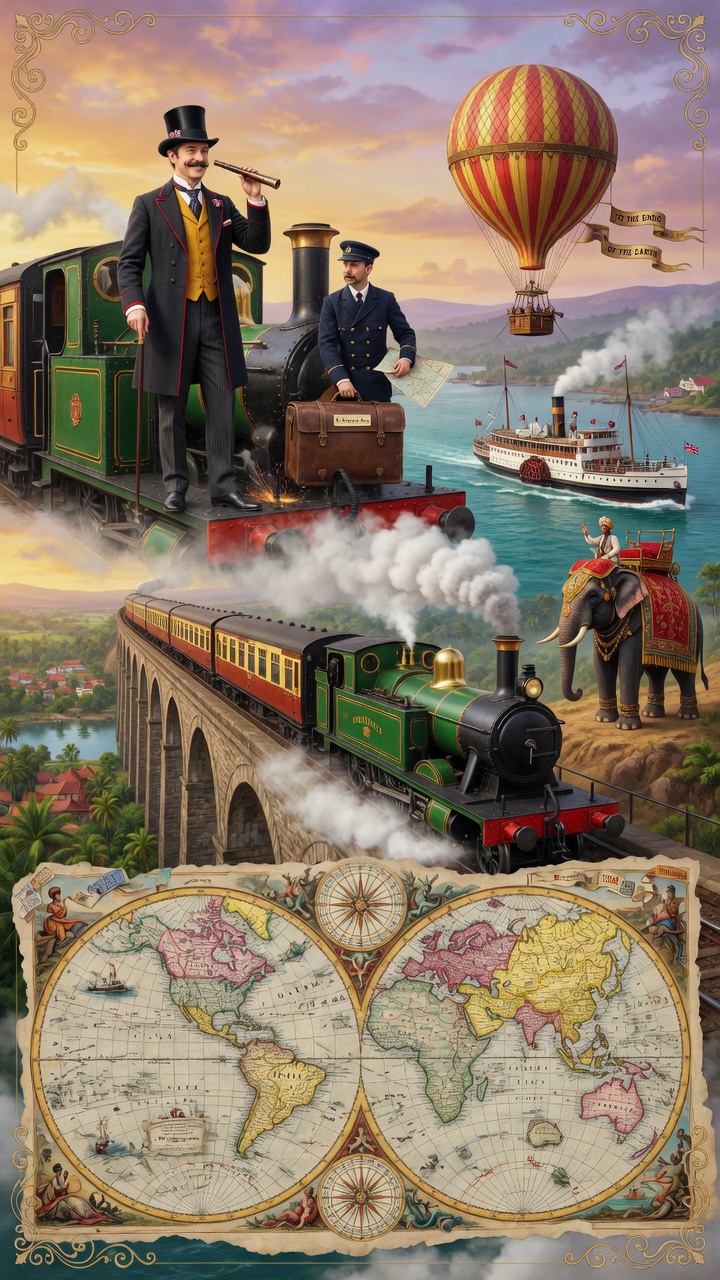
Around the World in Eighty Days
Jules Verne · 1873
A gentleman bets his fortune he can circle the globe in 80 days.
A breakneck Victorian race around the world — trains, steamers, elephants, and one impossibly cool Englishman who refuses to panic. Pure adventure fun.
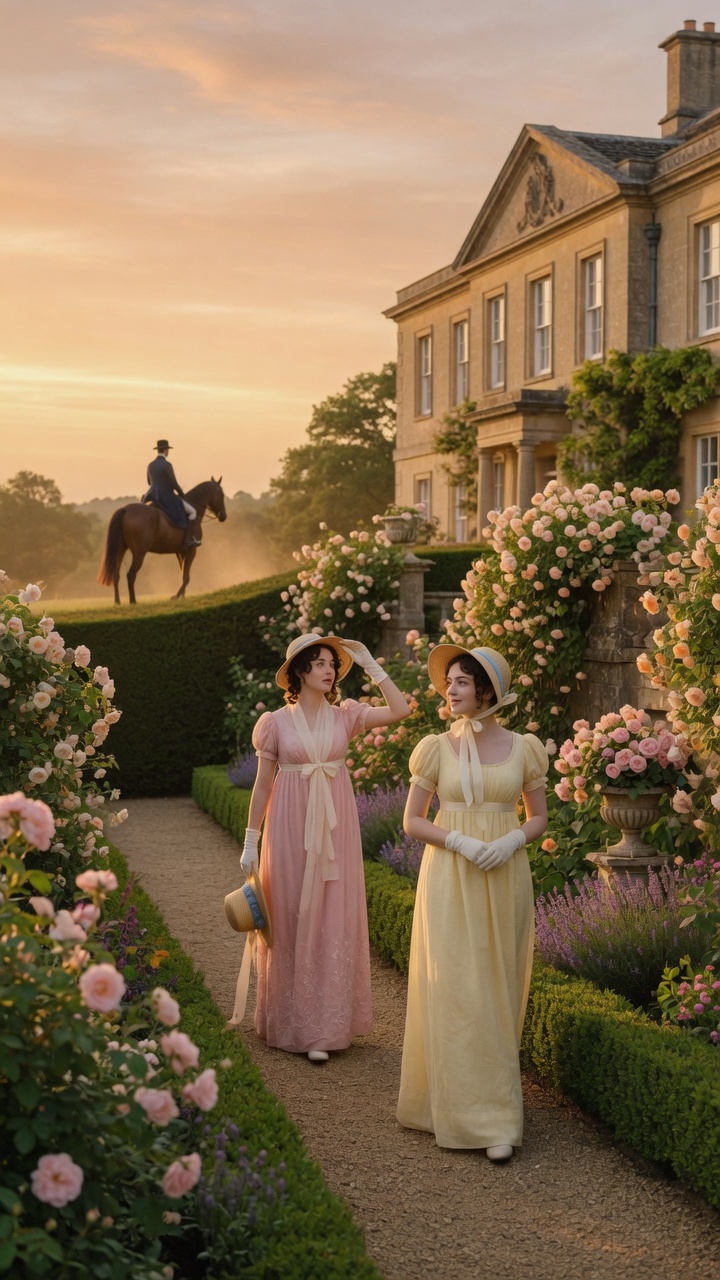
Sense and Sensibility
Jane Austen · 1811
Two sisters. Two ways to fall in love. Both get their hearts broken.
Austen's wit at full sparkle: head-versus-heart sisters navigating cads, heartbreak, and the marriage market. Swoony, funny, and quietly devastating.

Adventures of Huckleberry Finn
Mark Twain · 1884
A runaway boy, an escaped man, and a raft down the Mississippi.
Twain's masterpiece: funny, big-hearted, and quietly revolutionary — a friendship on a river that says more about America than any textbook ever could.
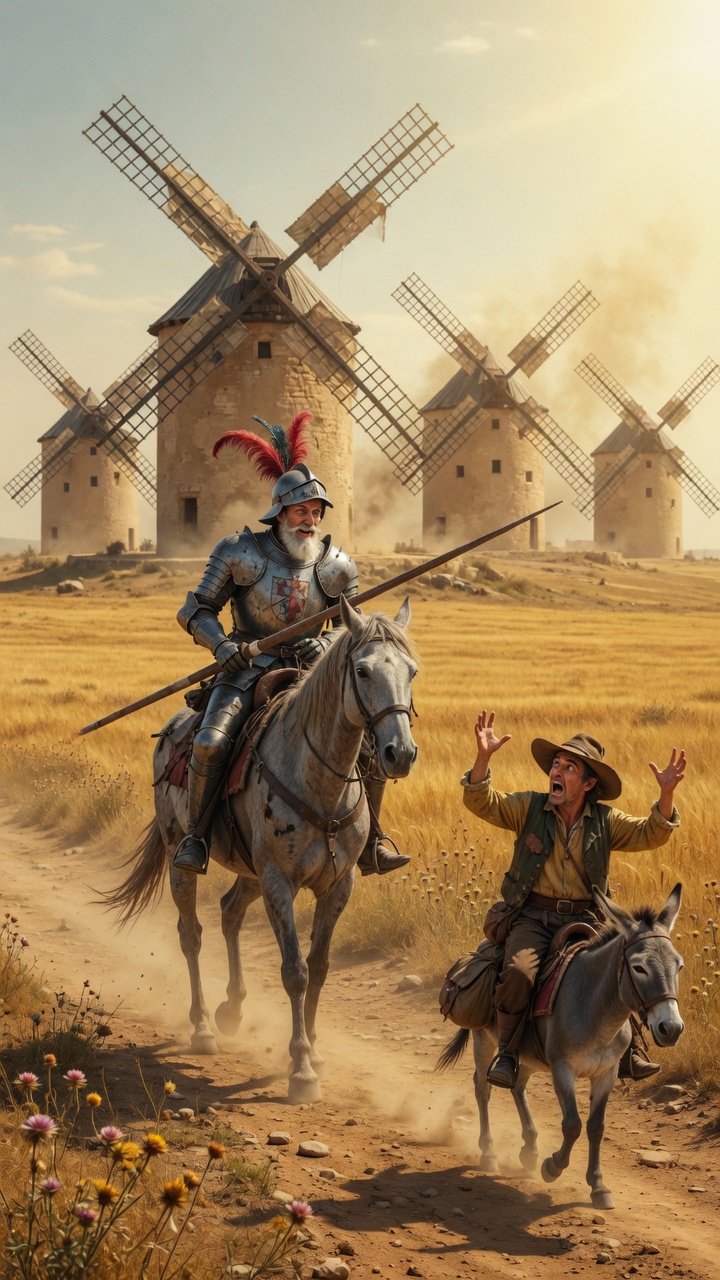
Don Quixote
Miguel de Cervantes · 1605
An old man reads too many knight stories — and decides to become one.
The first modern novel and still one of the funniest: a delusional would-be knight charging windmills, with the most loyal sidekick in literature. Joyous.
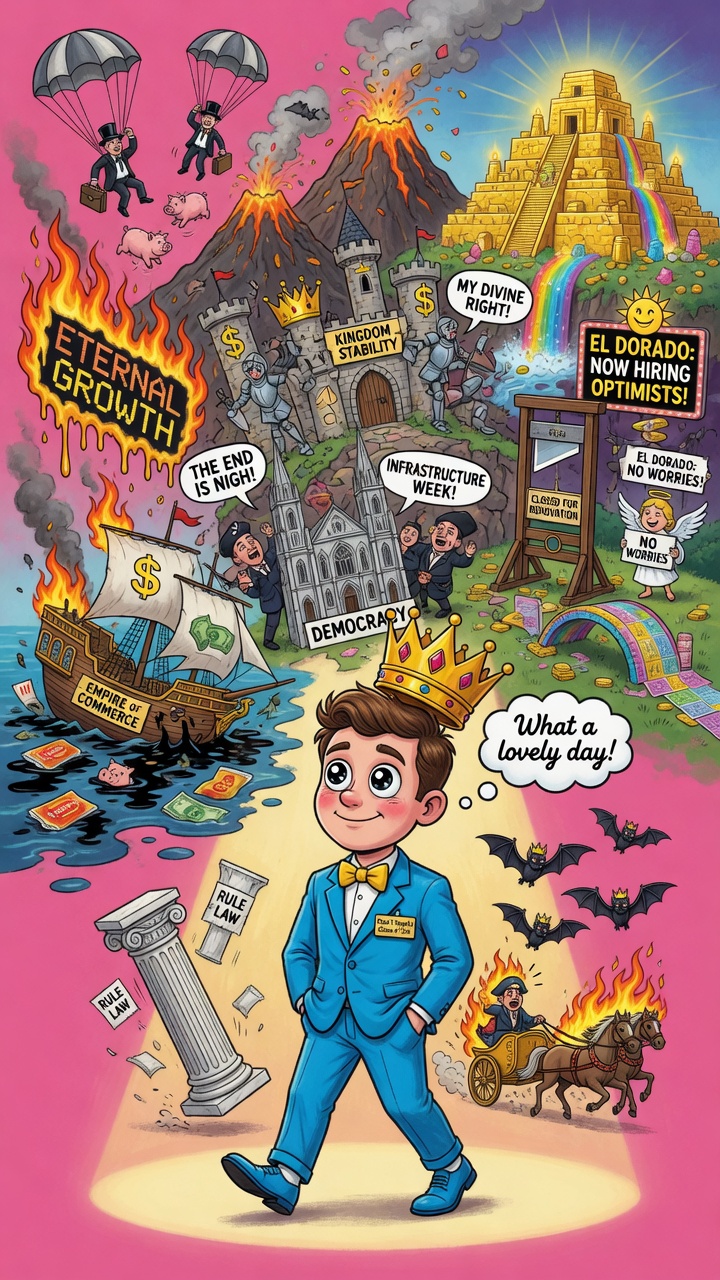
Candide
Voltaire · 1759
Everything happens for the best — in this best of all possible worlds?
Voltaire's savage, hilarious romp that drags wide-eyed optimism through every disaster imaginable. Short, sharp, and still the sharpest satire around.
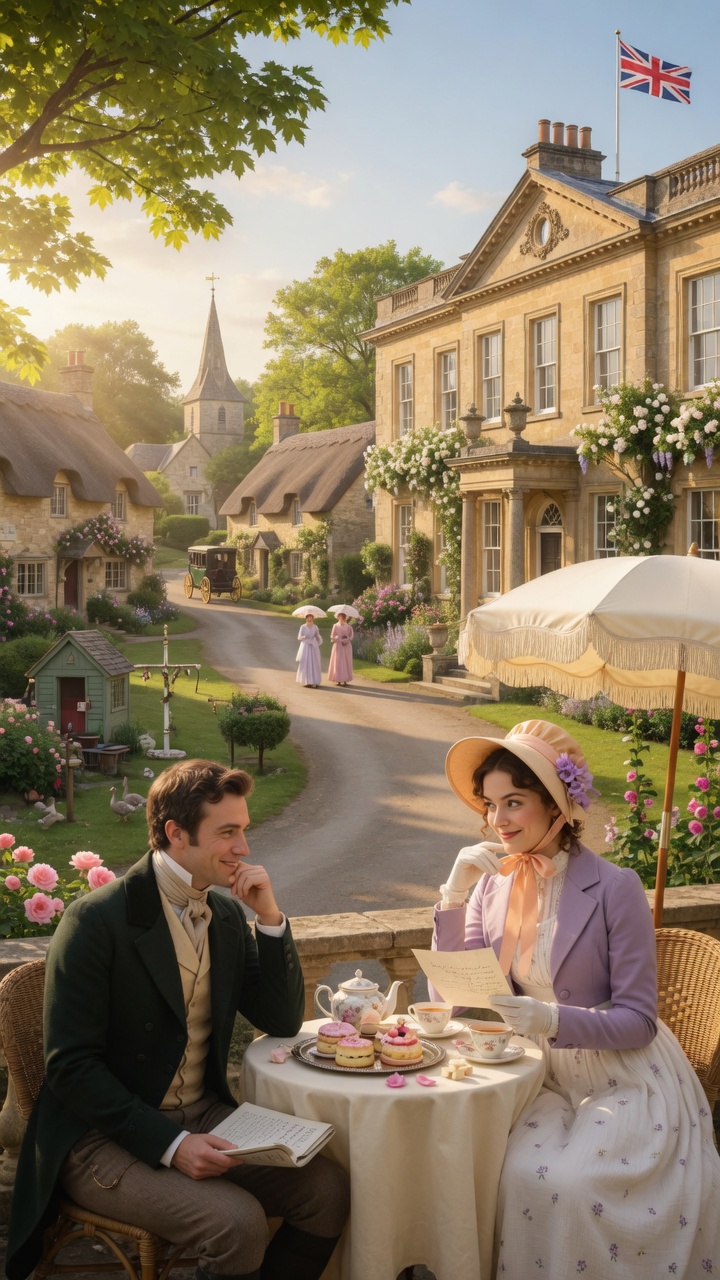
Emma
Jane Austen · 1815
A matchmaker who can't read her own heart.
Austen's most delightful meddler fixes everyone's love life while completely missing her own.
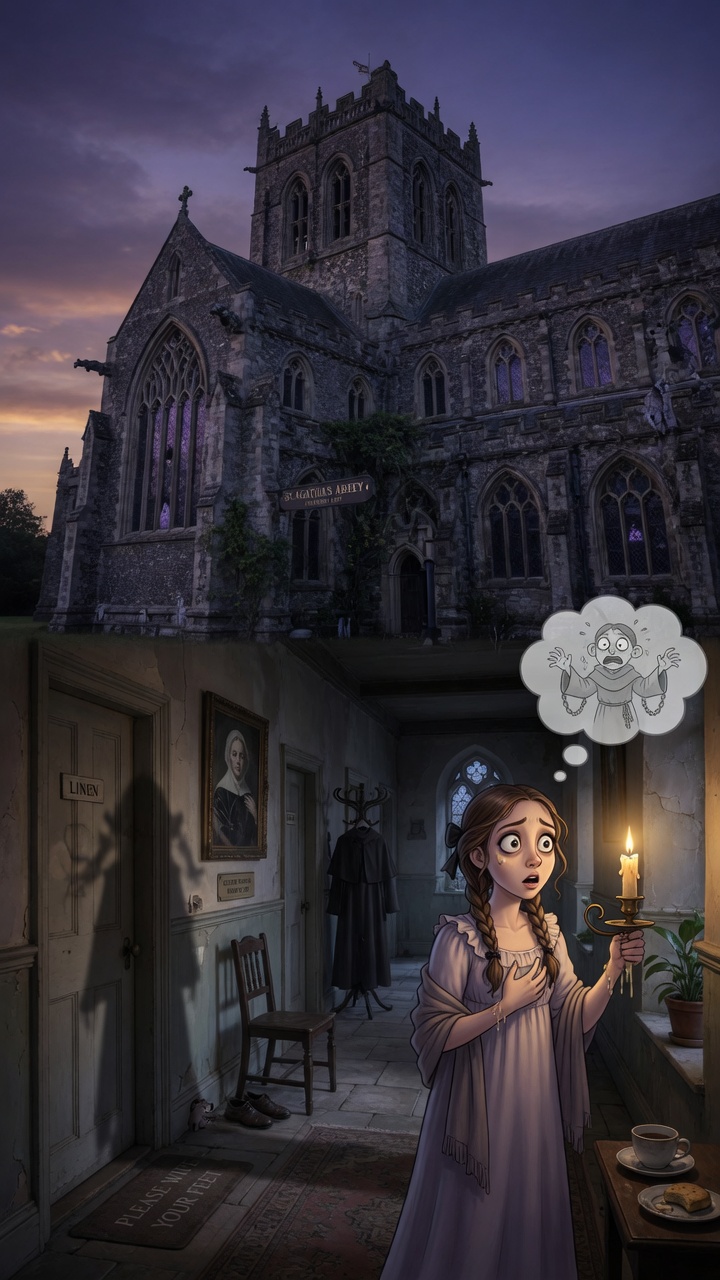
Northanger Abbey
Jane Austen · 1817
A girl who reads too many spooky novels mistakes real life for one.
Austen spoofs gothic horror through a heroine convinced her host's abbey hides a murder.
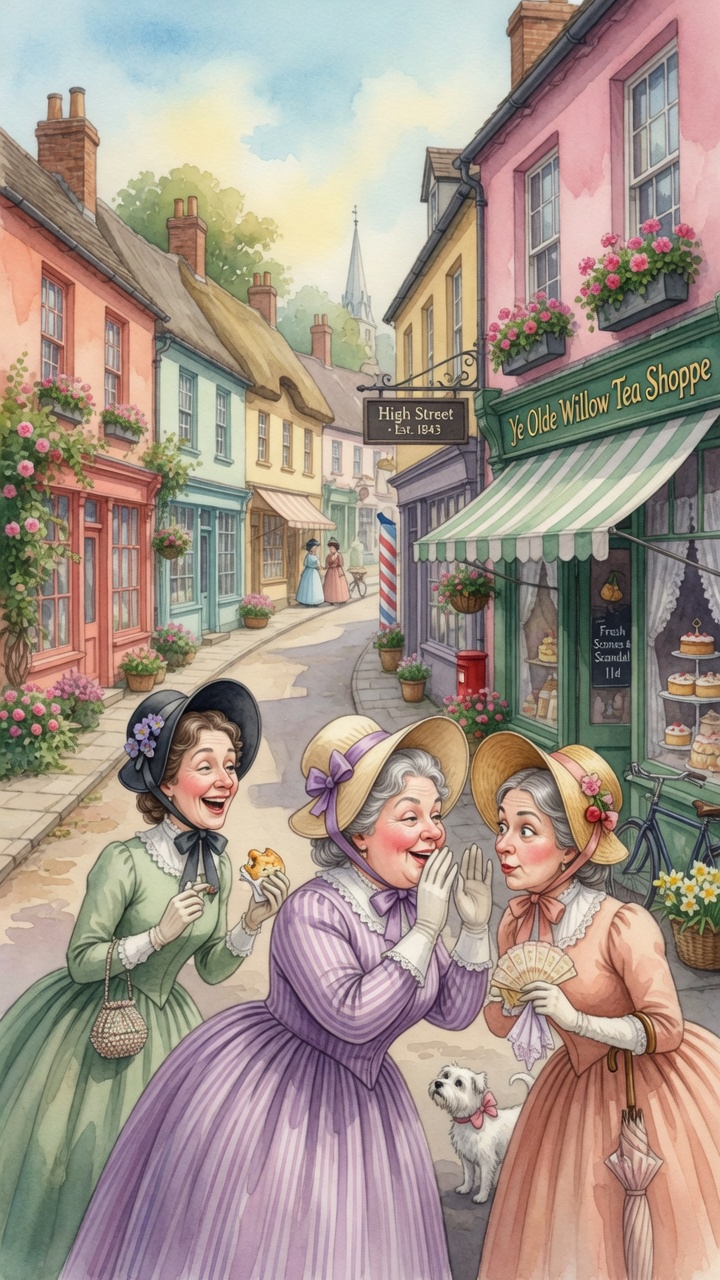
Cranford
Elizabeth Gaskell · 1853
A village run entirely by wonderfully fussy old ladies.
Gentle, funny, and warm — small-town life among genteel spinsters who guard their dignity fiercely.
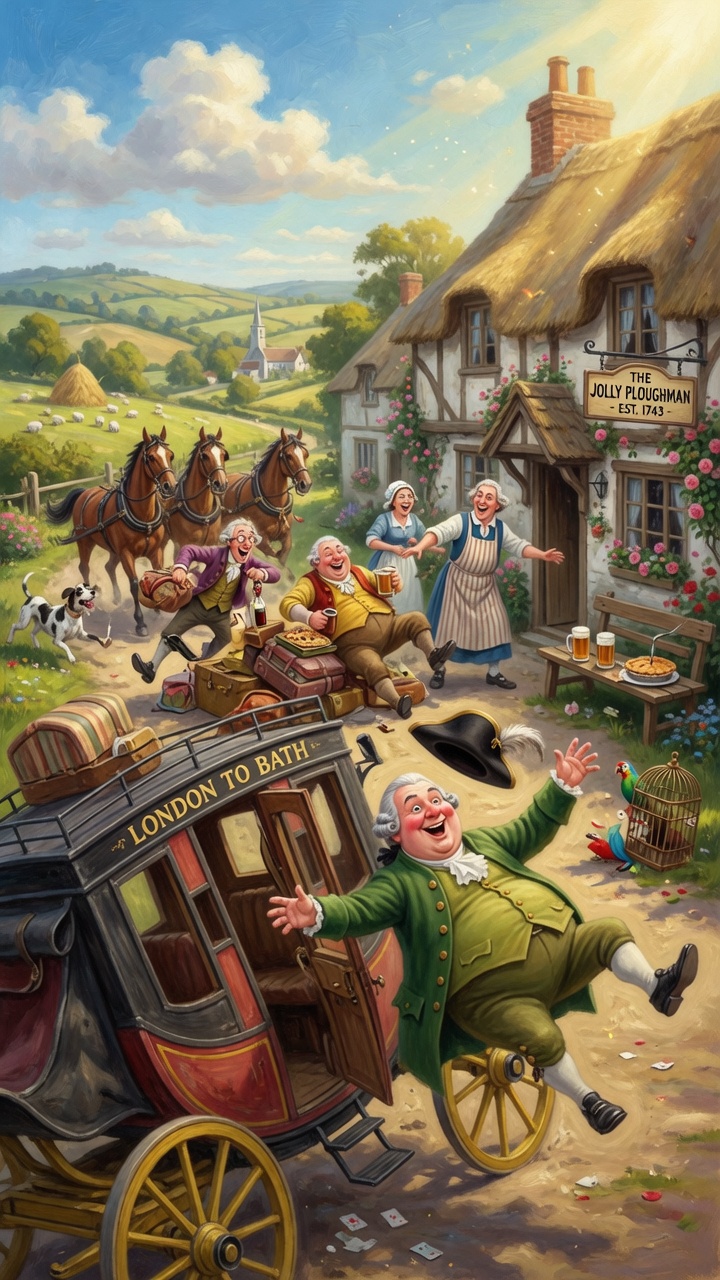
The Pickwick Papers
Charles Dickens · 1837
Four jolly gentlemen blunder across England.
Dickens' rollicking, big-hearted debut — pure comic misadventure on the open road.
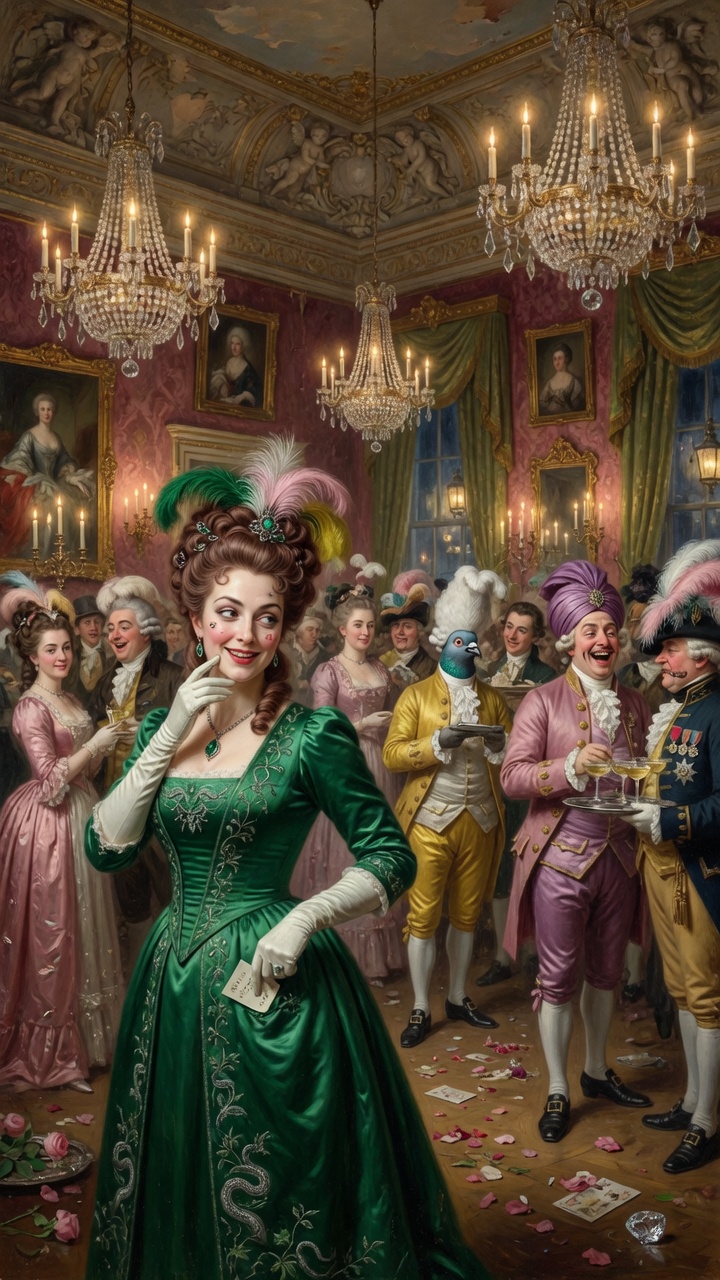
Vanity Fair
William Makepeace Thackeray · 1848
A scheming social climber with no scruples and infinite charm.
A 'novel without a hero' starring Becky Sharp, fiction's most deliciously ruthless schemer.
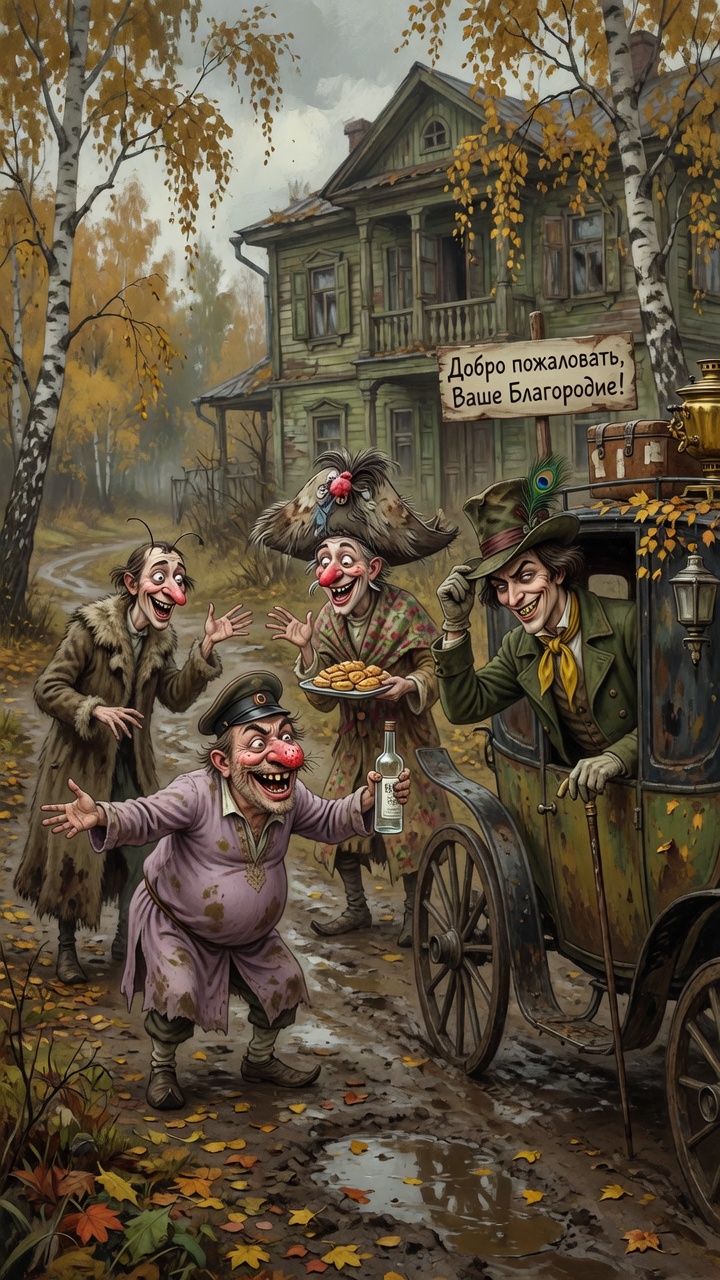
Dead Souls
Nikolai Gogol · 1842
A con man buys dead serfs. Yes, really.
Gogol's wild, hilarious satire of a swindler touring Russia trading in the names of the dead.
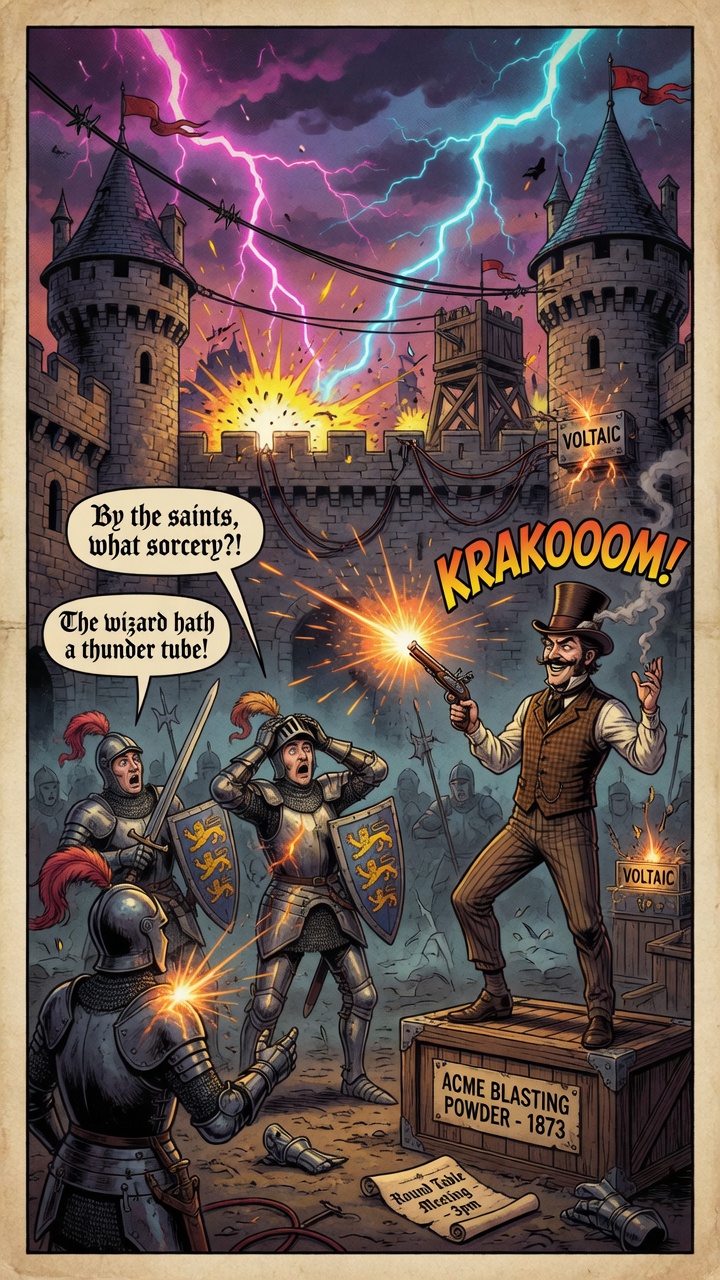
A Connecticut Yankee in King Arthur's Court
Mark Twain · 1889
A modern engineer wakes up in Camelot and starts improving things.
Twain drops a wisecracking Yankee into King Arthur’s court for time-travel satire and chaos.

Flatland
Edwin A. Abbott · 1884
A square living in a 2D world meets the third dimension.
A brain-bending geometric fable about dimensions, conformity, and seeing beyond your world.
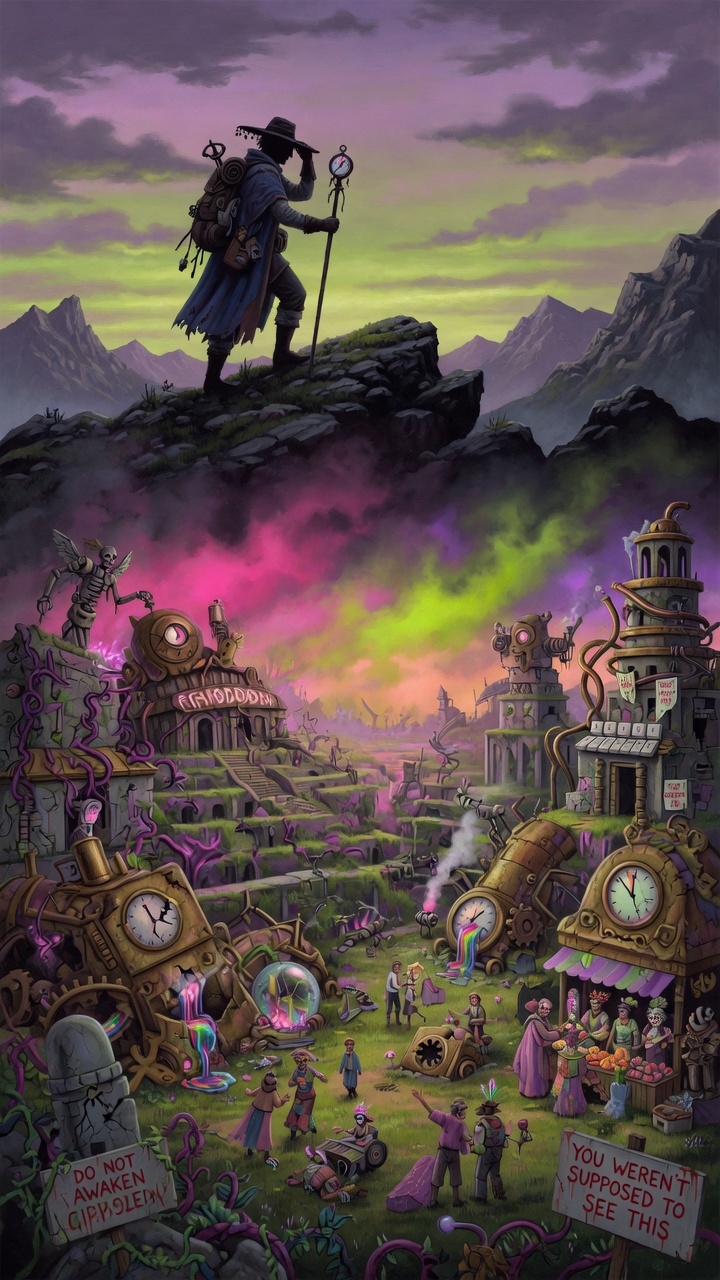
Erewhon
Samuel Butler · 1872
A hidden land where illness is a crime and machines are banned.
A razor-sharp satire that imagined the danger of intelligent machines a century early.
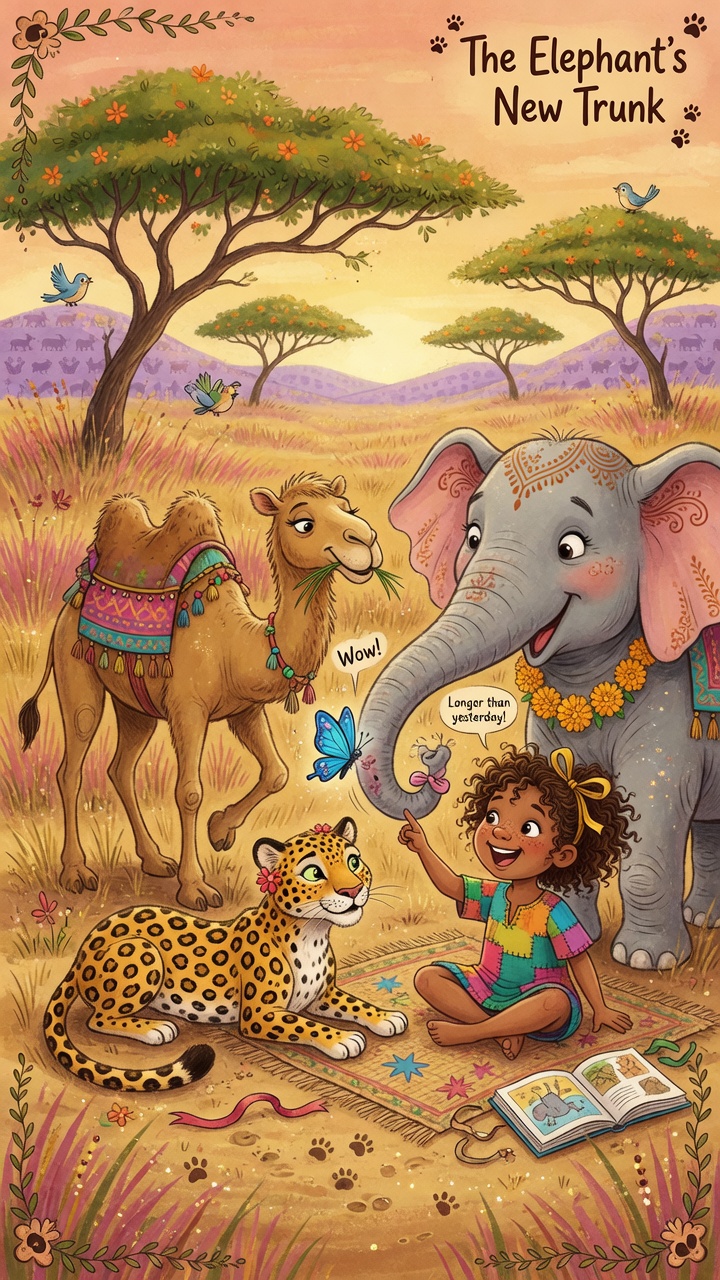
Just So Stories
Rudyard Kipling · 1902
How the leopard got his spots and the camel his hump.
Playful, musical origin myths for every animal — made to be read aloud and giggled at.
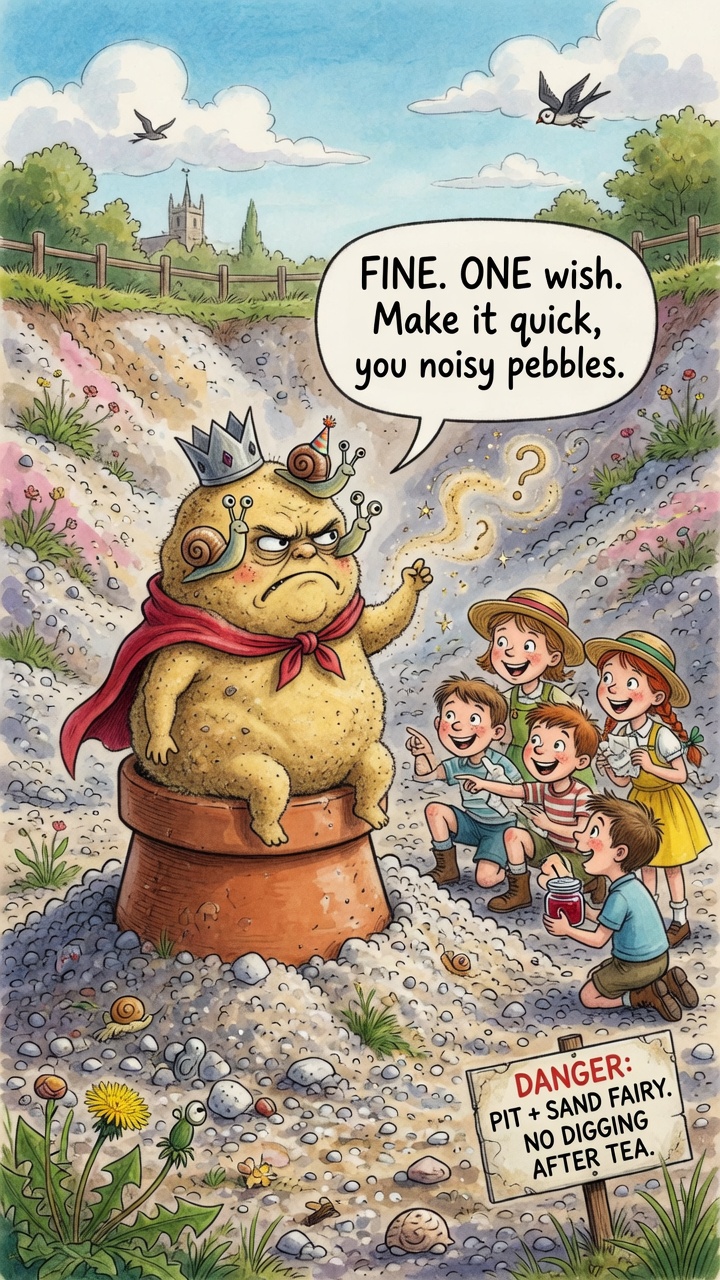
Five Children and It
E. Nesbit · 1902
A grumpy wish-granting sand-fairy that always backfires.
Siblings dig up an ancient creature that grants one wish a day — with hilarious, chaotic results.